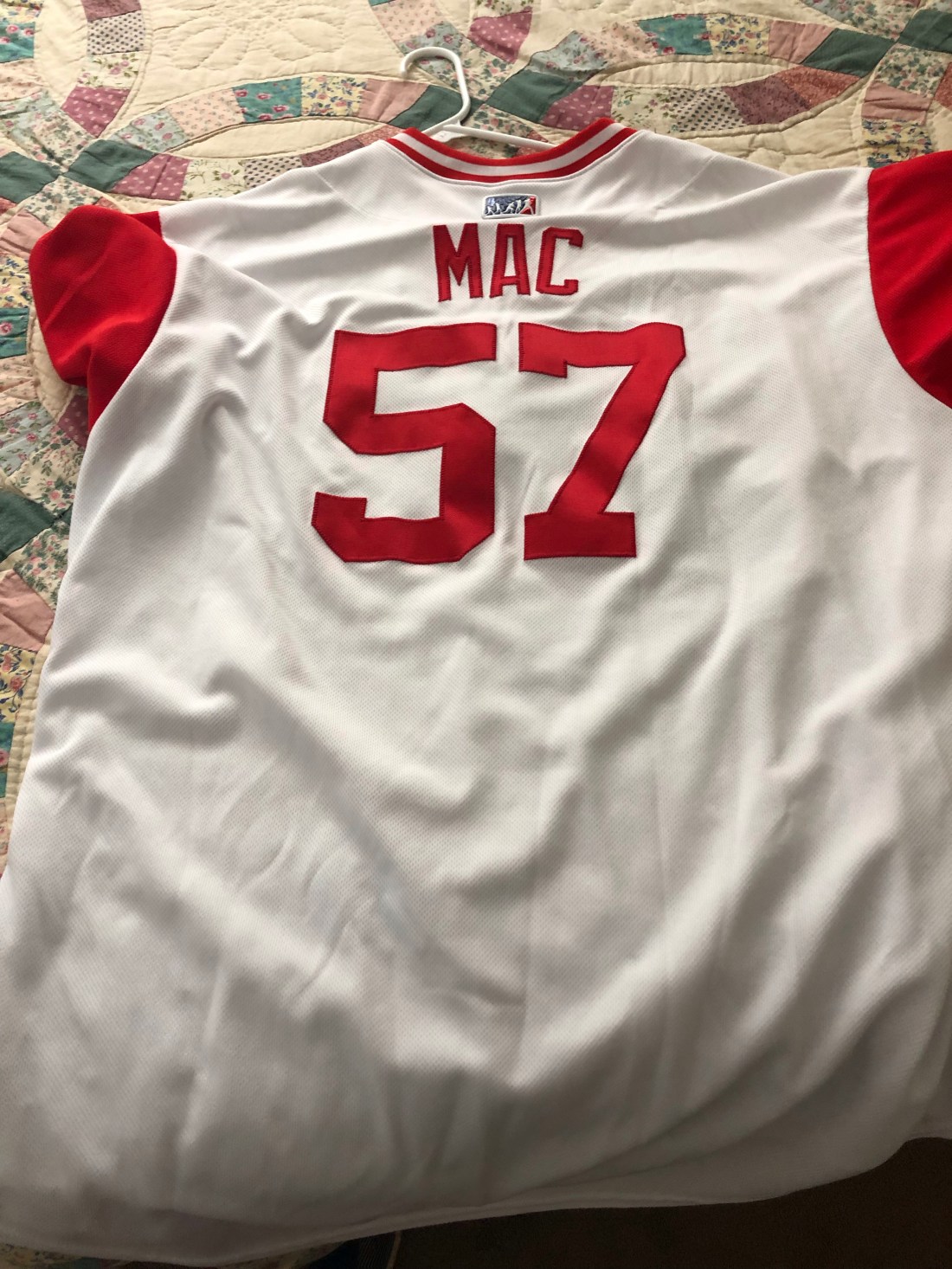
Invasion of the River Turtles

The River Turtles of Pulaski pulled in to town donned in their emerald green uni’s for a weekend contest against the Flyboys of Greenville, Tennessee. Pulaski is in Virginia. The town was named after a Count Casimir Pulaski, a Revolutionary war hero from Poland. The population of the town is around 10,000. According to Trip Advisor the number one attraction is Calfee Park, which is summer home to the River Turtles. Pulaski first hosted professional baseball back in 1942. The city has hosted young players from the Brooklyn Dodgers to the New York Yankees, most recently. Calfee park was built in 1935 as part of the New Deal enacted by President Franklin Roosevelt. This historic ballpark has been used for horse shows, fairs, concerts, exhibitions and of course, baseball. The park was renovated in 1999. Calfee park has been added to the National and State Historic Landmarks Registry.

The River Turtles own one of the leagues most potent offenses. This should be quite the weekend matchup. The Flyboys pitching staff holds the Turtles down in game one, allowing just five hits and two runs. The pitching staff, which currently leads the league in strikeouts, struck out 14 in this game while issuing only one walk. The offense made the most of their eight hits and five walks. The highlight of this game was young RHP, Austin Troesser. He absolutely dominated the opposition, striking out five of the six hitters he faced. He was one pitch away from an immaculate innings, when with an 0-2 count he allowed a broken bat grounder to second base. He went on the fan the side in the fifth inning for extra measure. This was a far cry from his last outing where he needed thirty pitches to get three outs. Today, he needed 19, for two outstanding innings of work. Game two of the series did not go as planned. We dropped a 6-4 decision to the River Turtles. This game we simply did not make the pitches or plays to win the game. The first batter of the game bunted back to the pitcher who flubbed ground ball for an error to start the game. As a matter of fact, the leadoff hitter was on base four times in seven innings today. Why is that a big deal? The averages tell us that pitchers, E,R.A( earned run average) is 8.54 with a runner on first base and no outs. On the other hand, with one out and no one on base, the pitchers’ E.R.A. falls to 3.54. Five runs difference is noteworthy and as a pitcher and catcher we need to know how important keeping the leadoff hitter off base is for winning baseball.

The majority of our pitchers and catchers have their pitches called from the dugout by the head coach or pitching coach while in college. So, many of them do not have a great “feel” for calling the game. This league is about development, so the young men are on their own during the game. Many times, I may ask after the inning ” what were you thinking when you threw this pitch in a certain situation?) This is a great way to learn. One gets good judgement from experience and experience comes from bad judgement. In today’s game, I took a lot of notes. My notes are written on the lineup card where the last out of the innings is posted and what the opposing hitters do each at bat. I also makes notes on attempted bunts and stolen bases attempted. We also note the count in which these events occurred. In this game we did not attack or execute pitches on the 1-1 counts. I know we wrote about the importance of this pivotal count. We also did a poor job of reacting to what we see from the hitter. I will give a few examples. The first pitch of the at bat is a fastball on the outside part of the plate, strike one looking. The next pitch is a changeup up, that the hitters chases out of the strike zone. What would you throw the next pitch? We chose to throw a fastball in the middle of the plate for a no ball and two strike, 2 out double that scored a run. If we react to the previous swing of the hitter, we make him chase another pitch out of the strike zone. There is rarely a set up pitch, the pitcher should throw every pitch with the intent to get the batter out. Bad location hurts the pitcher more than bad selection, on most nights. We also chose to repeat in the zone breaking balls for a long double off the wall. Let me explain. First pitch of the at bat, curve in the dirt, ball one. Second pitch, another curve this time for a called strike. What are my options here? We chose to throw another curve ball, this time a little higher in the strike zone. Bad choice but a time to learn, not because of the result. Repeating off speed pitches in the strike zone gives the hitters a very good chance to time the pitch and measure the break. Please, remember in the strike zone to under the strike zone, often works. We also threw another hitter a 2-1 fastball that the left handed batter hit over the third base dugout He was late on this fastball in a hitter advantage count. When we see the hitter is late, we move the ball closer to the batter or we elevate the ball closer to him But we chose to throw a high slider which the batter laced into left center field. Another, time to learn- for the pitcher and catcher. My last rant, which is pitching 101 Every 0-1 count should not a breaking ball in the dirt. This is an advantage count for the pitcher which is a great time to work inside to inside off the plate. The catcher and pitcher need to on the same page with this strategy. So, communication with pitcher and catcher is crucial. They should talk between each inning to bounce ideas off one another and get feedback from each other on the next inning.
River Turtles

The Boys are off tomorrow and I am headed to Cary for a steak dinner. Enjoy every breath! LG Flyboys.
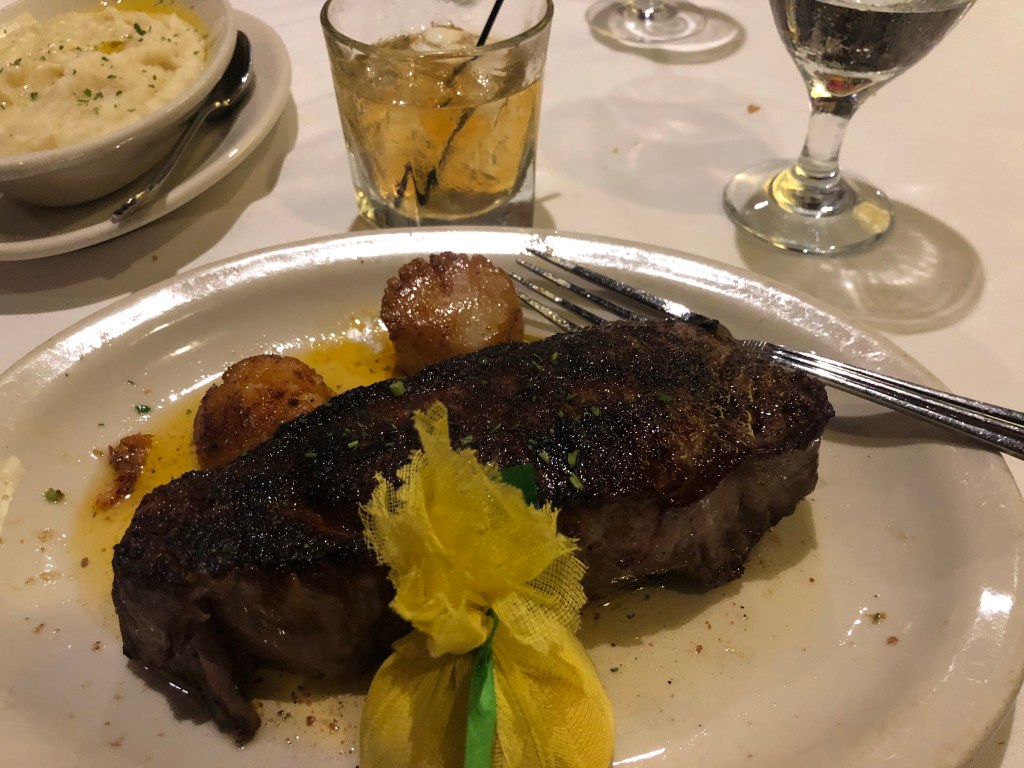
Steak and Scallops at Reys

Gains are not linear.

On day one of my throwing velocity class there are two dozen young athletes, all with the desire to throw harder. This professor of velocity briefly outlines the class. Weeks 1-6 we will assess your ability to move, we will measure one’s strength, learn and execute the exercises, drill work will be performed with the sole goal in mind- which is- to promote arm care while learning to throw the ball hard. As the class enters the final week of our ramping up period we begin to discus the velocity enhancement portion of the course. One point we must emphasize, velocity gains are not linear. When heard, the average athlete thinks” that does not apply to me”, but for the majority of athletes and people. this will become true. It is the frustrating part of training. The lack of weekly gains can cause one to question the methodology of the program design, it makes one wonder” what am I doing wrong”. Driveline baseball, a pioneer in baseball research and player development, displays a graph where athletes hits a lull and underlines this part sucks. Many other strength and conditioning blogs have written about strength gains not being linear. Many times a climb in strength will often be followed by a dip in power before we climb to a higher threshold, Reaching a PR
( personal record) in velocity is an amazing, rewarding, exhilarating feeling. A reward for all my hard work. It makes me fired up to see the athlete hit another PR.

Sports often mimics life and as we know, success is not always linear as well. We climb the corporate ladder each year and all of a sudden, we are passed up for one promotion, just one, and self doubt begins to creep in our thoughts. Professional baseball players usually start their careers in Rookie level baseball. Man, the next year I am moving on up the Low A baseball. The next season comes, a promotion to High A. The over confident thoughts of, I have this figured out is at the forefront of my mind, I will be major leaguer in two or three years. But, the harsh truth is, next year I find myself repeating the same level of competition. What is happening, we ask ourselves. Why are they doing this to me? I was on schedule to make my Major League debut in two more years. Will people look differently at me since an not climbing up as fast?. I possibly wish I would have been more humble and not talked so openly how I was on the fast track to stardom. We all face road blocks, detours, temporary plateaus in our personal development, our professional life and even in our pursuit of elite velocity. How we react it what separates people/ athletes in their relentless pursuit of excellence.

A bump in the road is not a crossroad, let’s not a mountain out of a molehill my momma says. She is right. However, spending too much time standing in place is an issue if you are truly chasing excellence in your life or in your athletic goals. Many times, we look outward to find fault in one’s lack of personal gains. Richard Bach, an American writer widely known of some of the 70’s biggest sellers, wrote ” The worst lies are the ones we tell ourselves”. Those lies are dangerous. In this classroom, the teacher- that’s me- is selling the point that we are going to look inward when things are not going our way. This arm care and velocity program is based on principles. We are going to ask ourselves if we are meeting the given criteria are we controlling the controllables? Difference making areas we need to examine; proper sleep, calorie intake, hydration. We are going to check these boxes first. Let’s examine our foundational principles. Question one, how am moving? We are going to walk through the FMS movement screen, re test our strength and check our technique through slow motion video. Self examination, one might state. One that doesn’t weigh heavy on opinions but on facts. One particular frustrated participant found himself to have poor range of motion and needed to follow up with corrective exercises. His upper body strength had lessened with his performance. He honestly stated how terrible he had been with proper hydration because it simply has not been a priority. I give this young man props, he looked inward. A plan was out in place. Best pitching advice I was ever given, ” plan your work, work your plan”. Thanks to Larry Rothschild, long time major league coach, for that gem. A player development plan, one could replace the word player with personal or career, we have to have plan of attack. Now, that we are focused on the process, the gains are climbing once again.

gains have not been linear. A personal development plan is in place for this eager student!!

Featured

Velocity is baseball’s hot commodity .

Velocity in baseball has become paramount, necessary and much sought after. Teams from travel baseball, travel softball, to high schools., colleges and of course, professional baseball. The athlete is also chasing improved . Everyone knows that velocity has become the top dog, the big attraction. The data supports the fact regardless of what some coaches may be spewing out. Velocity is very important.

Following our velocity training, plus 10 mph!⚾️🌶

The data shows us that the average fastball in the major leagues continues to climb each year. Analytics has shown us that when velocity goes up your value as a pitcher goes up. The question is why is velocity trending upward, is it better genes, non GMO foods, what? The answer lies within sports worldwide. Why do Olympic records fall each year? Athletes are running faster, jumping higher, swimming faster at every world event. In 1954, Roger Bannister did the unthinkable, he ran a mile in less than four minutes. The four minute barrier is now the standard for those running the mile, over 1.400 male athletes have broken the four minute barrier.

I have been involved in professional baseball for 34 years. The standard for the fastball has dramatically increased over the years. Regardless, why are these pitchers throwing harder than ever before. Well, the first reason is in the strength and conditioning field. For years, baseball was slow to adapt to these principles, thinking pitchers would get too bulky to perform well. The author of a major league record 7 no hitters, Nolan Ryan, wrote that he used to “sneak” from the Angels facility to the football facility to lift weights. Sounds like he was on to something (this was in the 70’s), he arguably has the best fastball ever. I can tell you that when strength coaches were introduced in to baseball clubhouses there was push back, resistance. Let’s just fast forward, today every major league team has two strength and conditioning coaches, each minor league team has a strength coach. The training plans have gone from ” don’t get any one hurt” to an aggressive plan individualized for each player based on specific needs and the position each athlete plays. I used to hear the risk/ reward phrase thrown out all the time, not any more. It is all about the reward.

The use of pitching labs, wearable devices that measure movements, extreme high speed cameras have also aided in better instruction. The slow motion footage of an athlete throwing is more accurate than any human eye, regardless of how well that eye has been trained. The wearable monitors have helped researchers and coaches better understand how the human body moves most efficiently and most powerfully. Research has taught those people in player development( coaches) that arm action can be changed successfully and coaches must address this subject for athletes who want to throw hard . The new age pitcher is learning how his body should move during a throw, what each body part is responsible for and when everything should happen. Sequencing, is a new word for baseball but it can be easily explained to any 10 year old. If we ask them what did they put on first, socks or shoes? If they did it in reverse order- well that just doesn’t work that well, right?

Velocity is being taught, this is a newer concept developing over the last decade. If you have a young athlete, check the facts and program out before you commit. There are NO short cuts. Elite throwing is a toe nail to finger nail movement. Strength, power, range of motion and direction are necessary to get the velocity gains one is looking for. It also takes time and a commitment. Do not allow short term obstacles get in the way of long term goals.

The Comeback

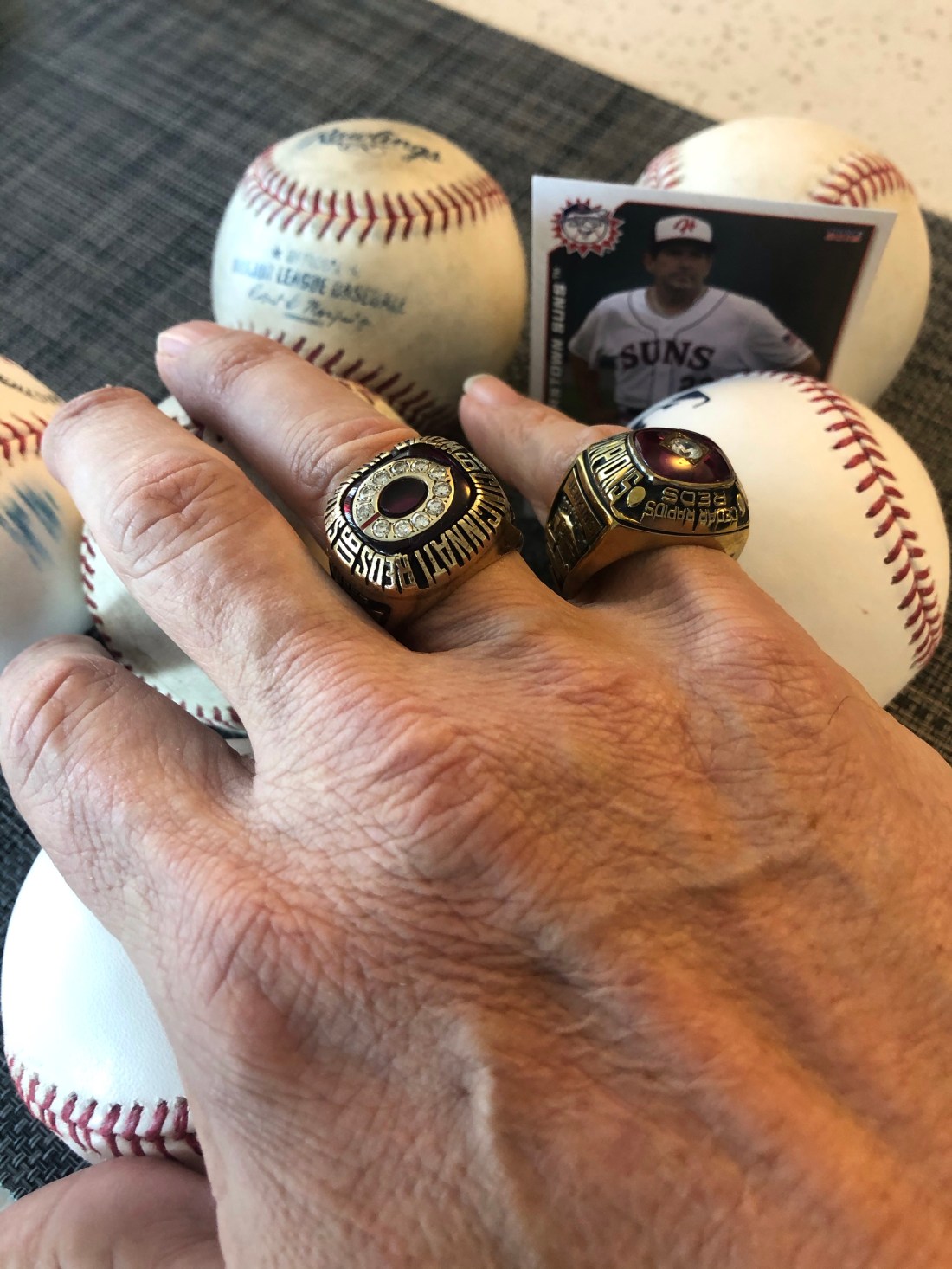
I am 56 years old, close to 57. I am a former professional baseball player, a pitcher to be exact. My last competitive pitch was 32 or so years ago. I have been a minor league coach, a pitching coordinator and a major league pitching coach over the last 33 years. The reason for the background information lets the reader know where I have been, the Comeback, is where I am going. I am going to have everyone join me on this amazing comeback. The main obstacles, besides the obvious, is that I have had two hip replacements, I have had three knee operations, a shoulder repair, a torn elbow ligament and top of this aging process, arthritis is trying to crawl up my spine and into these long, thin fingers.

First attempt to throw my age in velocity.

Well, you see day one of the comeback, an embarrassing and miserable 53 miles per hour, measured by the amazing pocket radar smart coach app. Another bit of pertinent information is that I am leading an arm care and velocity training class, twice a week at Diamond Fit Performance in North Raleigh, NC. Yes, this former Major League coach of eight years is pouring it out twice a week for his students, aged 11 to 19. Since the 2019 season ended I have received hard earned certifications in Driveline Youth Baseball Training, Rapsodo Pitching, Functional Movement Screen and I have finished all but the the final step of Driveline Foundations of Pitching. Put that on top of 33 years in professional baseball experience and I think we have the makings of a well educated class. The students are posting personal records for velocity each week but the real test will come as I begin to put myself through the rigors of the arm care and velocity training. I have consulted with physical therapists, certified strength and conditioning coaches as well as my knowledge attained from the new certifications for class content. Oh yea, did I say I was a major league pitching coach as recently as 2018? I have some advantages in my class, I once pitched for Dr. Mike Marshall, the creator of weighted ball training. Hmm, the plot thickens doesn’t it? Did you know Mike Marshall pitched in 106 games in 1974, won the Cy Young Award that year. He was 15-12 with 21 saves. He logged 208 innings pitches. Crazy! We cant even get starting pitchers to 200 innings in recent seasons.

I will keep everyone updated as the comeback moves forward. Lets put all the new concepts to the test! Along with some ancient concepts as well. Very few coaches have been privy to work with the hardest thrower ever, Aroldis Chapman, as well as with Dr. Mike Marshall, a Hall of Famer closer and many other of the best pitchers, coaches, people and analysts in the game of baseball. Next time, lets see if I can improve my velocity and throw my age.