Gains are not linear.

On day one of my throwing velocity class there are two dozen young athletes, all with the desire to throw harder. This professor of velocity briefly outlines the class. Weeks 1-6 we will assess your ability to move, we will measure one’s strength, learn and execute the exercises, drill work will be performed with the sole goal in mind- which is- to promote arm care while learning to throw the ball hard. As the class enters the final week of our ramping up period we begin to discus the velocity enhancement portion of the course. One point we must emphasize, velocity gains are not linear. When heard, the average athlete thinks” that does not apply to me”, but for the majority of athletes and people. this will become true. It is the frustrating part of training. The lack of weekly gains can cause one to question the methodology of the program design, it makes one wonder” what am I doing wrong”. Driveline baseball, a pioneer in baseball research and player development, displays a graph where athletes hits a lull and underlines this part sucks. Many other strength and conditioning blogs have written about strength gains not being linear. Many times a climb in strength will often be followed by a dip in power before we climb to a higher threshold, Reaching a PR
( personal record) in velocity is an amazing, rewarding, exhilarating feeling. A reward for all my hard work. It makes me fired up to see the athlete hit another PR.

Sports often mimics life and as we know, success is not always linear as well. We climb the corporate ladder each year and all of a sudden, we are passed up for one promotion, just one, and self doubt begins to creep in our thoughts. Professional baseball players usually start their careers in Rookie level baseball. Man, the next year I am moving on up the Low A baseball. The next season comes, a promotion to High A. The over confident thoughts of, I have this figured out is at the forefront of my mind, I will be major leaguer in two or three years. But, the harsh truth is, next year I find myself repeating the same level of competition. What is happening, we ask ourselves. Why are they doing this to me? I was on schedule to make my Major League debut in two more years. Will people look differently at me since an not climbing up as fast?. I possibly wish I would have been more humble and not talked so openly how I was on the fast track to stardom. We all face road blocks, detours, temporary plateaus in our personal development, our professional life and even in our pursuit of elite velocity. How we react it what separates people/ athletes in their relentless pursuit of excellence.

A bump in the road is not a crossroad, let’s not a mountain out of a molehill my momma says. She is right. However, spending too much time standing in place is an issue if you are truly chasing excellence in your life or in your athletic goals. Many times, we look outward to find fault in one’s lack of personal gains. Richard Bach, an American writer widely known of some of the 70’s biggest sellers, wrote ” The worst lies are the ones we tell ourselves”. Those lies are dangerous. In this classroom, the teacher- that’s me- is selling the point that we are going to look inward when things are not going our way. This arm care and velocity program is based on principles. We are going to ask ourselves if we are meeting the given criteria are we controlling the controllables? Difference making areas we need to examine; proper sleep, calorie intake, hydration. We are going to check these boxes first. Let’s examine our foundational principles. Question one, how am moving? We are going to walk through the FMS movement screen, re test our strength and check our technique through slow motion video. Self examination, one might state. One that doesn’t weigh heavy on opinions but on facts. One particular frustrated participant found himself to have poor range of motion and needed to follow up with corrective exercises. His upper body strength had lessened with his performance. He honestly stated how terrible he had been with proper hydration because it simply has not been a priority. I give this young man props, he looked inward. A plan was out in place. Best pitching advice I was ever given, ” plan your work, work your plan”. Thanks to Larry Rothschild, long time major league coach, for that gem. A player development plan, one could replace the word player with personal or career, we have to have plan of attack. Now, that we are focused on the process, the gains are climbing once again.
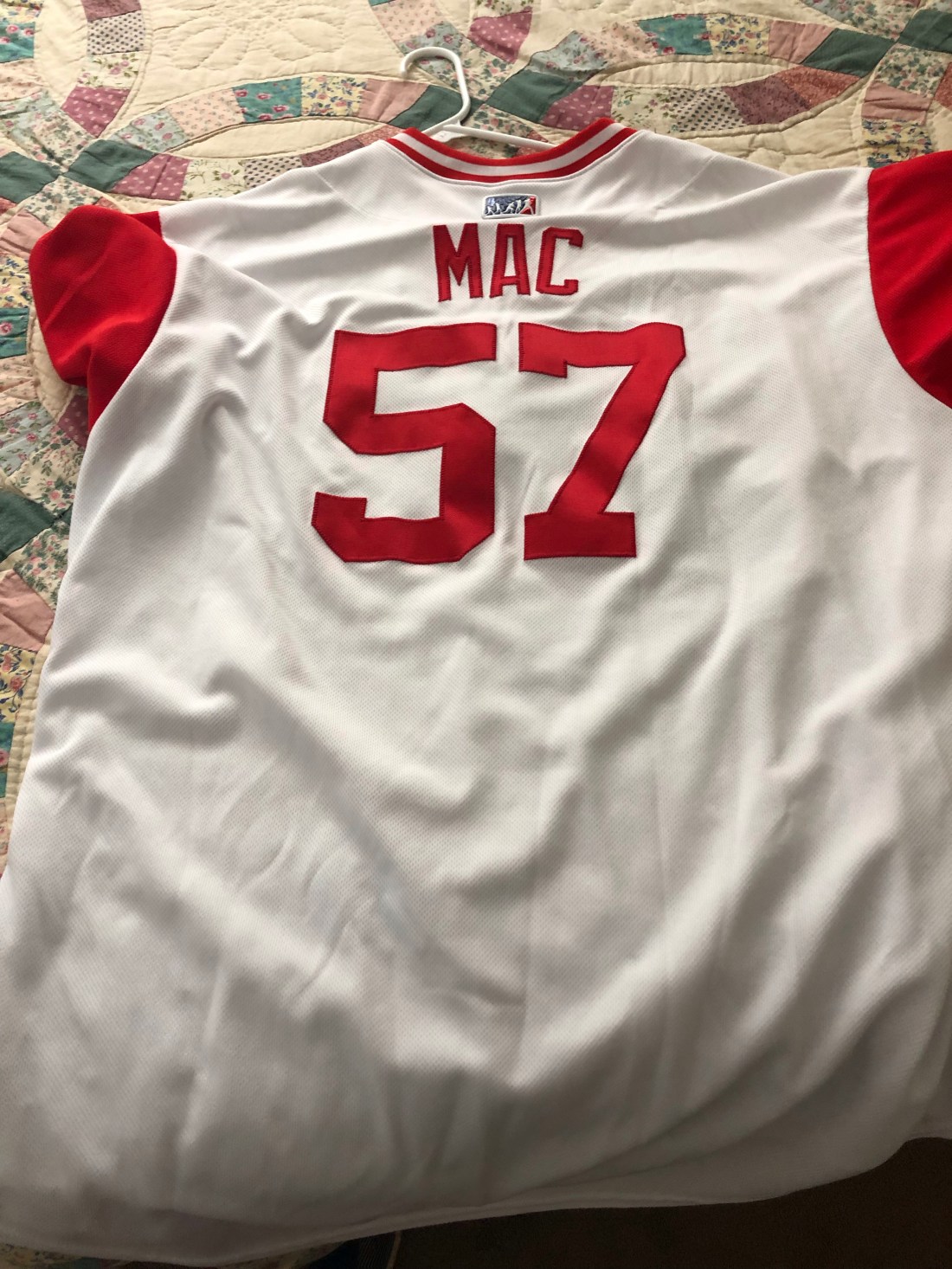
gains have not been linear. A personal development plan is in place for this eager student!!

The Comeback

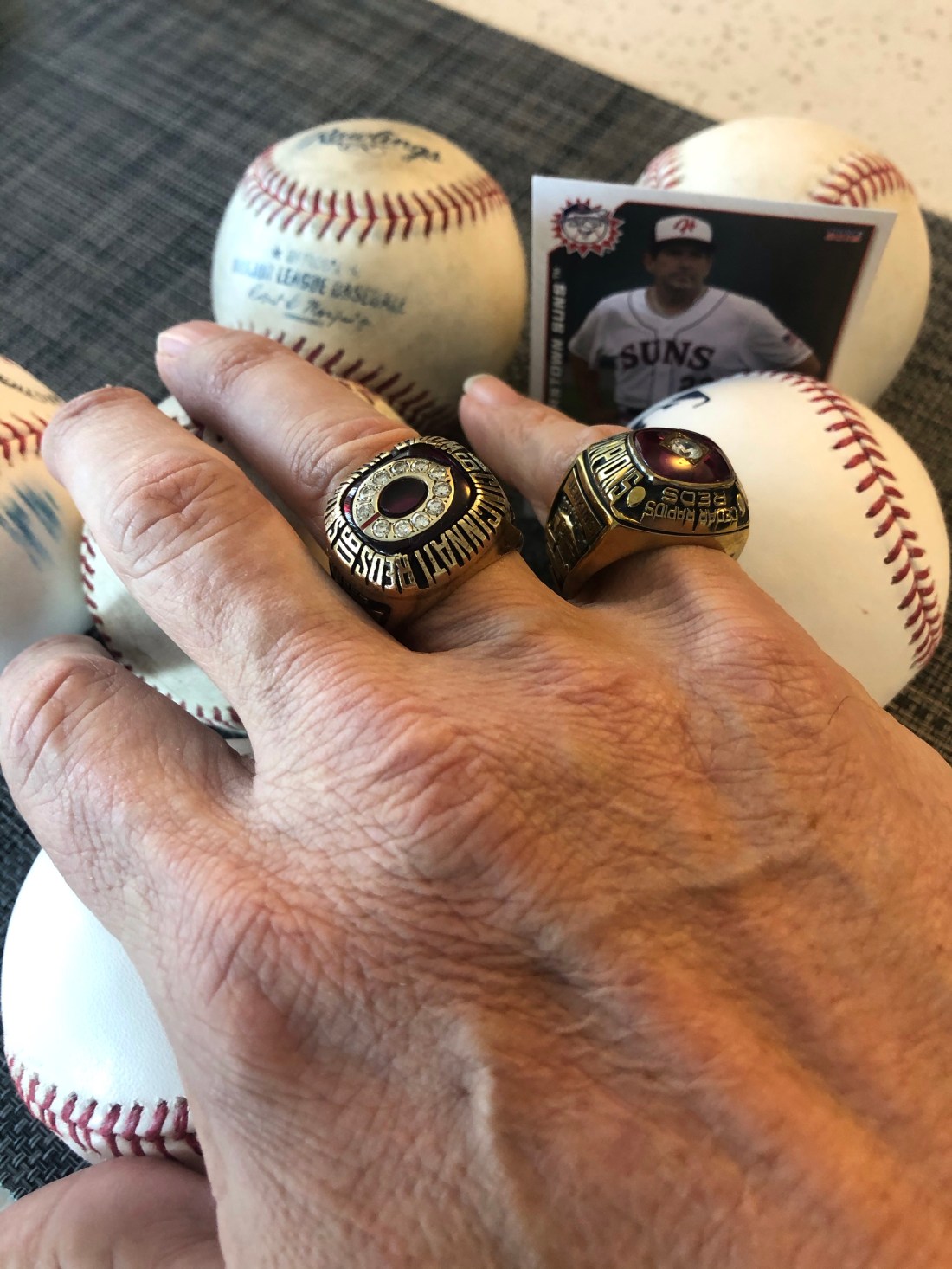
I am 56 years old, close to 57. I am a former professional baseball player, a pitcher to be exact. My last competitive pitch was 32 or so years ago. I have been a minor league coach, a pitching coordinator and a major league pitching coach over the last 33 years. The reason for the background information lets the reader know where I have been, the Comeback, is where I am going. I am going to have everyone join me on this amazing comeback. The main obstacles, besides the obvious, is that I have had two hip replacements, I have had three knee operations, a shoulder repair, a torn elbow ligament and top of this aging process, arthritis is trying to crawl up my spine and into these long, thin fingers.

First attempt to throw my age in velocity.

Well, you see day one of the comeback, an embarrassing and miserable 53 miles per hour, measured by the amazing pocket radar smart coach app. Another bit of pertinent information is that I am leading an arm care and velocity training class, twice a week at Diamond Fit Performance in North Raleigh, NC. Yes, this former Major League coach of eight years is pouring it out twice a week for his students, aged 11 to 19. Since the 2019 season ended I have received hard earned certifications in Driveline Youth Baseball Training, Rapsodo Pitching, Functional Movement Screen and I have finished all but the the final step of Driveline Foundations of Pitching. Put that on top of 33 years in professional baseball experience and I think we have the makings of a well educated class. The students are posting personal records for velocity each week but the real test will come as I begin to put myself through the rigors of the arm care and velocity training. I have consulted with physical therapists, certified strength and conditioning coaches as well as my knowledge attained from the new certifications for class content. Oh yea, did I say I was a major league pitching coach as recently as 2018? I have some advantages in my class, I once pitched for Dr. Mike Marshall, the creator of weighted ball training. Hmm, the plot thickens doesn’t it? Did you know Mike Marshall pitched in 106 games in 1974, won the Cy Young Award that year. He was 15-12 with 21 saves. He logged 208 innings pitches. Crazy! We cant even get starting pitchers to 200 innings in recent seasons.

I will keep everyone updated as the comeback moves forward. Lets put all the new concepts to the test! Along with some ancient concepts as well. Very few coaches have been privy to work with the hardest thrower ever, Aroldis Chapman, as well as with Dr. Mike Marshall, a Hall of Famer closer and many other of the best pitchers, coaches, people and analysts in the game of baseball. Next time, lets see if I can improve my velocity and throw my age.

Get behind it

Get behind the ball

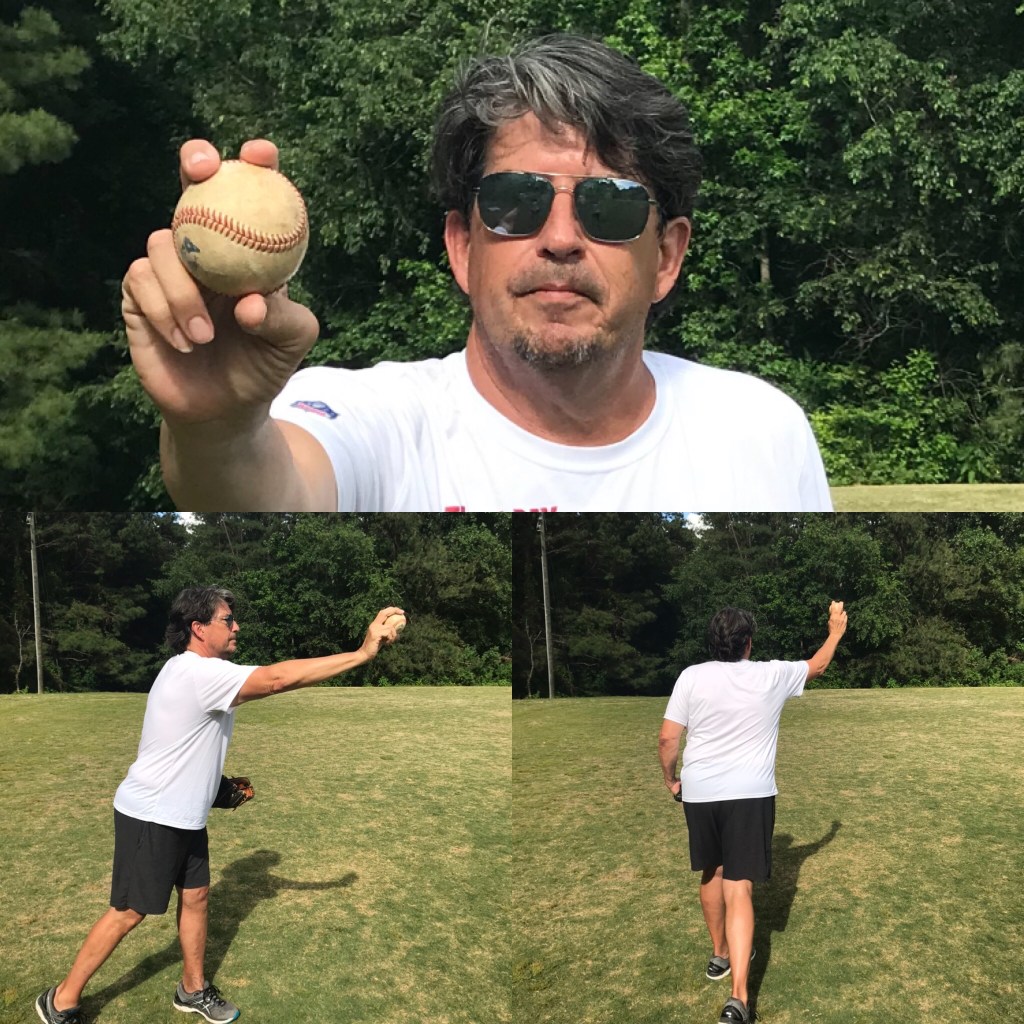
Throwing a ball the properly and powerfully requires a few absolutes. It also allows for individualism and warrants that the thrower eventually allow his or her athleticism shine. I want to encourage the thrower to take ownership of his or her throwing delivery. One area that the thrower must get right is that at release point we must be behind the ball. I hope to explain exactly what that statement means through some simple instruction and video.

When the thrower gets behind the ball, his fingers, the middle and index fingers, are powerfully on the ball at release, peeling the seams back to produce mighty back spin. Having one’s hand behind the ball, along with a good wrist snap gives the ball proper spin direction as well. ( imagination your middle finger as chalk, drawing a perfectly straight line on the chalk board, this equates to the right wrist snap). As you see in the pictures, the forearm is also behind the ball. And as any properly flowing kinetic chain, the throwing shoulder is also behind the ball at release point. As well as the chin and chest. Now that is a powerful position. The energy created at the ground has transferred up the legs, through the body and come out at the finger tips. An amazing motion to conquer and fun too. You can imagine yourself trying to push a wall down, go ahead and try. To exert the most force against the wall, you will find yourself in a similar position to the “behind the ball” position when throwing your favorite round ball.

Getting behind the ball. Don’t let the Bucs short or quarantine hair scared ya

One can see in the video that the torso, waist are in line with the intended target as wee. A throwers legs provide direction, among others factors, but proper direction of the stride leg gets us in position to be behind the ball with out torso, chin and chest. Try this. I am confident you know how to get behind each throw.

Learning to Fly

My experience in baseball has encompassed many areas and reached great heights. I played the game professionally, I coached for three decades from the rookie leagues to the major leagues. After a near eight year run as a major league coach, I climbed back on the busses to coach in the minors once again last season. The little league fields have not escaped my coaching journey, my son played baseball from age seven to age twenty three. I have coached girls Fastpitch softball, my daughter was one bad ass Division I softball pitcher. My point of sharing these experiences is that the author of this article knows a lot about throwing a baseball or a softball for that matter. This article is not about me, it is about teaching kids how to throw properly it just happens to be written by a man who broadly smiles when his students improve.

Kids come in different sizes and shapes. They do come in varying measures of athleticism, These boys and girls have unique personalities and, this is an important and, they come with their own learning abilities and style. The hardest thing in coaching is finding ten different ways to say the same thing. A great coach establishes some kind of relationship with the athlete to where The coach has some idea of what makes the student tick. What other activities do they have in their lives? Another question that is important is, where has your young student been in their baseball classrooms. What I mean is, have they had a prior pitching or throwing coach. What did the coach teach? What is extremely common today is what have you learned on the internet about pitching or throwing a ball. There is so much information available, it is simply confusing. Many folks are capable of gathering data and information but few are capable of breaking it down to the student standing in front them, speaking that child’s language, creating drills that are individual for his or her needs.

When it comes to throwing, consider this lesson one. An assessment of a players skill level and athleticism can come from observing a simple dynamic warmup and by playing catch. Some youngsters can move on to the pitching portion of instruction. However, many children need help learning to fly ( throwing a ball with force and a smile). Throwing is a toe nail to finger nail movement. Each of the body parts in between play a key role. The way each of those body parts move is important , when they move, how much range of motion , how strong is each muscle or body part is crucial, as well.

I gain a lot of information by playing coach with the pitchers. And I have played catch with many little leaguers, major leaguers, softballers, major league all stars, and even a baseball Hall of Famer. There is a lot to be learned by paying catch, (please read Playing Catch and The Rhythm of the Universe, an article written by David Laurila on the Fan Graphs web site). I like to see how the pitcher is gripping the ball, this detail is very important. The grips effects the direction the ball spins, the grip can help or hinder the amount of spin and how the thrower commands the ball. Once, we have the correct grip, correcting the athlete from the ground up is the most effective methodology. Footwork is a critical cog in throwing powerfully and accurately. Time spent on developing elite footwork takes time, effort, patience but in the end we need this part of the foundation to be rock solid. The throwing side foot plays a big role. Teaching your thrower how it should work, what it feels like when done correctly is a big teaching moment. The lead leg action falls right in with the other moving parts of the throwing motion and gives the pitchers good direction towards the target and the landing leg will eventually stop the forceful momentum creating by the pitcher’s back side as the ball is delivered. Sounds complicated but it isn’t. The glove arm has a purpose and this is often taught incorrectly Think of this, the catcher has a hundred dollar bill in his mitt and as you begin your move towards home plate, the ball out f the glove- you are going to teach into that catchers mitt with your glove, get the hundo and put it in your shirt pocket. Simple stuff. The motion of the throwing arm needs some individualism to it. Remember, the length of this lever is always changing if the thrower is still growing. The best arm motions I have seen come from taking the ball from the glove with fingers on top. And think your throwing hand traveling in a circular motion back and then moving the arm forward. The best throws will come from your elbow passing the ear at shoulder height. Having you hand and fingers behind the ball at release is extremely important to a successful toss. Some throwers have found their ideal arm angle or arm slot by throwing balls heavier than baseballs, like a football. When thrown beautifully the football has a spiral. When using heavy balls, remember to use your baseballs at the end of the practice session. Let’s keep throwing fun, let’s have a growth mind set that everyone can improve and let’s teach with simplicity, passion, and facts.

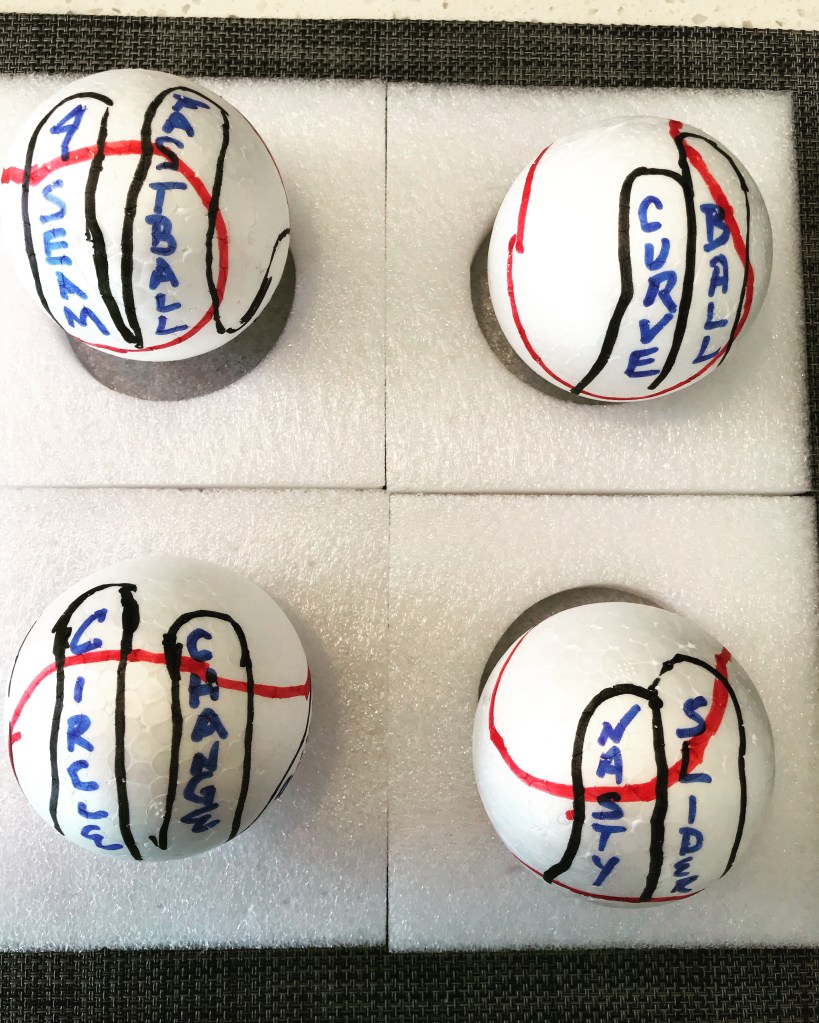
The basic four

The quarantine training balls. Each grip illustrated
This young lady learned a nasty slider in 30 minutes using the quarantine training balls
This power curve was enhanced with the feedback of RM’s quarantine training balls.
Filthy moving changeup grip was explained using quarantine training balls
Four seam fastball quick tutorial
One knee fastball drill emphasizes staying behind the fastball with the fingers, hand, wrist, chin and chest

I Need Tempo

Great drill for a crucial aspect in throwing. Rhythm and Timing

Rhythm can be defined as a repeated pattern of movement. Tempo is defined as the speed of motion or activity. Rhythm and tempo are an integral part of athletics. However, it is rarely practiced or emphasized. Let’s change that. The above video is a great drill a quality

for pitchers. All the positions on the field need proper rhythm. The infielders have a tempo they get into with their feet and hands as the pitch is being thrown. This is what creates first step quickness’s and anticipation. The outfielders get into a rhythm as the pitch is thrown as they must be on the balls of their feet react to move in any direction. The great fielders have first step explosiveness. A catcher gets in rhythm with the pitcher and the way he sets up. How and when he flashes the target. Too late of a target isn’t productive, too early causes rigid ness. Aside from baseball, think of the best free throw shooters in basketball, they possess that rhythm and tempo at the line. Remember that repeated movement pattern and the speed at which it happens. How rhythmic is a hoops player when he is on a hot streak? How about the NFL quarterback in a good rhythm, he picks your defense apart with accurate , quick passes. Often a strategy to beat the best shooters or quarterbacks might be to disrupt their rhythm. That is how important rhythm can be to an Athletes success.

Timing drill. Ball from glove at proper time

This is another drill to work on the rhythm and timing of the proper ball from glove separation. If the ball comes out too late, the throwing or pitching delivery breaks down. A loss of power and accuracy results. The chance of injury increases. I am sure hitting coaches will see how important rhythm is to hitting and the timing of when the hitter begins he move to the baseball is crucial. The base runner and base stealer need to get into a rhythm with the pitcher to get good jumps and take the extra base. Think of ways to improve your rhythm and to be more consistent with your tempo. Take ownership of your tempo and work on it. Being able to repeat in crucial situations with help with your success whether your on the little league field or have 40,000 chanting your name, breath and maintain your rhythm and tempo.

How Fast is a Fastball

One pitch that every pitcher throws is a fastball, even if it is slow, we call it a fastball. Fastballs definitely come in different shapes, speeds and sizes. As far back as little league baseball there are those who throw harder than the rest of the herd. Those players are generally very good at baseball or softball. I mean the game is all about catching and throwing the ball, right? The pitcher throws the ball to the catcher, the batter hits the ball to shortstop who then catches it and throws it on to first base. Throwing the ball is an vital ingredient to the game and we all need to be good throwing the ball. Let’s talk about the fundamentals of the fastball. The grip, so often overlooked, is important to throwing the ball fast and with accuracy. The four seam grip is one all players should use when when they warmup and from each position they play. Physics tells us the four seam fastball , rotating quickly through the air keeps the ball straighter than the other grips, the ball has more spin and has better “ carry.” Alan Nathan, masterfully explains the physics of baseball and is the sports’leading analyst in this field. The video below explains the grip

Discussing the four seam grip

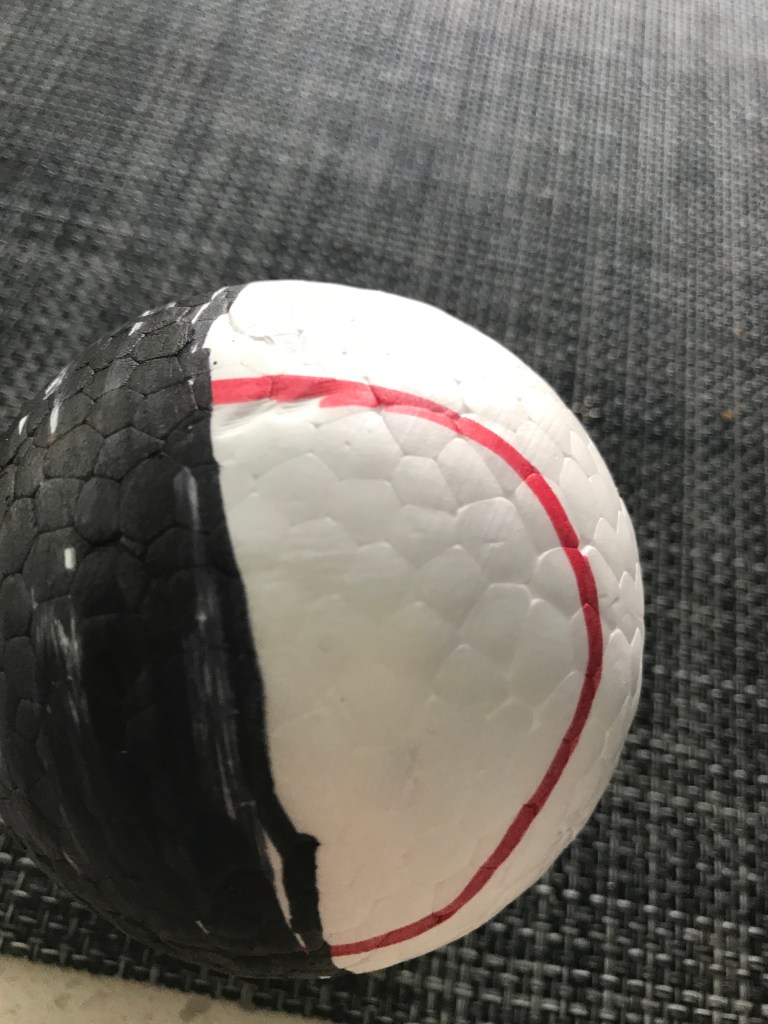
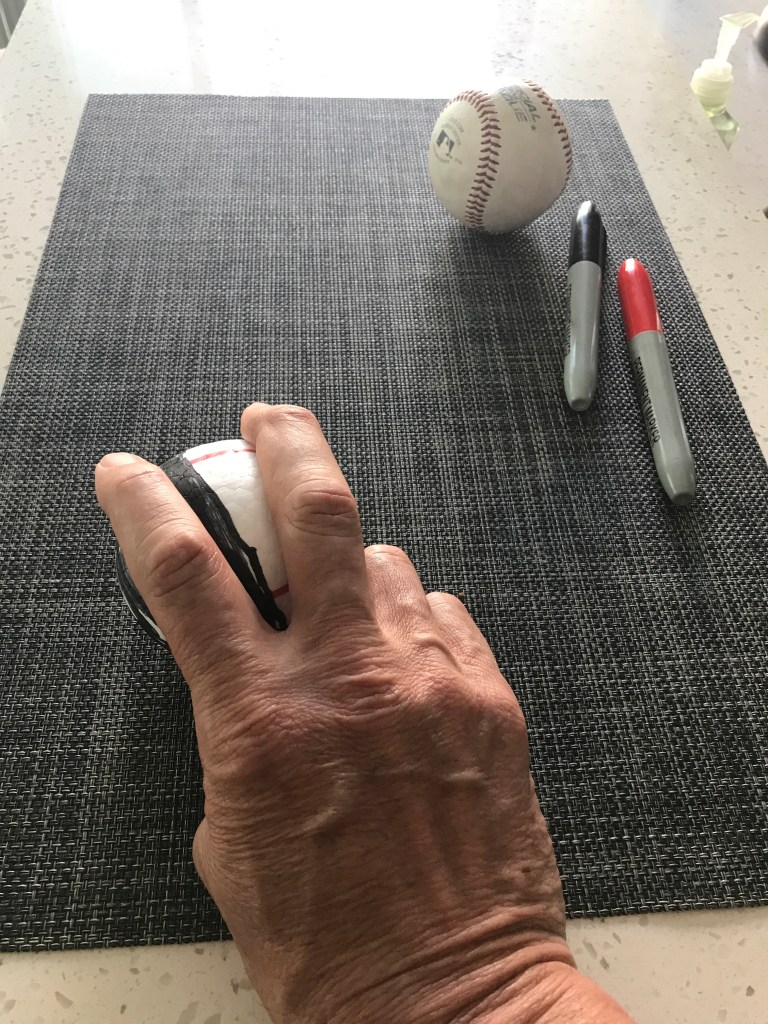
There are different fastballs; four seam, two seam, split fingered, cut and batting practice. Let’s stick to the most basic today, the four seamer. I have had the benefit of working from Little League to the Major Leagues and every level in between from travel ball to minor league baseball. I have coached girls as well, from youth to teens. The foundation of your fastball starts with your grip. Being good at throwing fast and accurately can take time but it is an amazing journey. It takes deliberate practice, consistency and takes being persistent. I have witnessed many players develop powerful throwing arms, I have seen many players increase their accuracy; success at any level is enjoyable and worth the time put in to improve. Spin on the baseball can give us feedback to whether we are throwing correctly or not. A good practice drill for this is to take your ball and color half of it black with a sharpie. ( dissecting through the four seam grip). The colors or shading of the ball will be apparent when throwing the baseball or softball properly- the thrower’s fingers, hand and wrist behind the ball at release. The wrist making a wave good bye motion and the fingers coming down and through the ball. I have seen coaches uses black electrical tape for shading the ball for this throwing drill as well. Once, we can do it right at 25 feet, take four steps back and so on. Another variation is to start with the throwing side knee on the ground. This let’s us just work on the path of the throwing arm, the grip and the release of the ball.

My inside practice ball. It is colored half black, detecting through the four seam grip area.
The Grip. Simple tools to get the ball ready. A hard ball for outside practice
One knee drill showed. Notice the fingers behind the ball at point of release.

We want to be able to measure our successes and gains in fastball speed. Once players arms are in proper shape there is nothing wrong with measuring a players progress. A tool I use is the Pocket Radar. I bought mine on Amazon. The measurements make it fun for the players, especially when they are young. Remember, that we want to celebrate effort and improvements. I have found that this quantifying of speed has kept my players working on their throwing fundamentals when they are at home, not just on the practice field. Coaches, we can measure speed on balls thrown from any where on the field, not just the pitchers mound. We get a baseline speed, record it and then measure improvement. Heck, I often measure the speed with the player throwing into a net. Build a strong foundation, grip it correctly and rip it with intent! Let me know how fast your fastball is.

Changing the changeup

The pitch referred to as a changeup is an excellent weapon for a pitcher to have in his or her arsenal. The pitch when thrown with confidence has made those with marginal talent -good. It has made those pitchers with good talent into millionaires and it has helped those with above average ability- into super stars. One does not have to look anywhere but the 2019 World Series to see Max Scherzer and Stephen Strasberg dominate the opposition with a flurry of nasty,diving and darting changeups. The pitch should be developed and utilized by all who want to become a pitcher. Velocity is king these days but there is NO reason a pitcher can not learn to change speeds with his pitches. One may ask, “ why is it important to change speeds”. Well, the answer lies with your opponent, the hitter. Hitting with all of its new gurus abound, still comes down to one important thing, timing the pitch. If the batter swings early or late, the ball is put in play slowly or completely swung and missed. Being a long time coach I am confounded when pitchers are reluctant to learn a changeup. Maybe it is the name, it isn’t macho enough. Terms like power change, spread change, ring finger change, 601 change are all more powerful words than simply changeup. Mentality is a key when throwing your nasty changeup. Let’s take a look at a few grips.

The okay or circle change has many variations depending on fingers length.
Bugs Bunny or 601 change befuddles hitters. Practice with fastball like arm speed
Use a variation of this grip. Slider the thumb up towards the index finger to slow it down even more

The videos show three nasty changies that I like. We know that quality changeups are slower than the fastball, they have less spin than the fastball and they have equal to or better than release extension of the fastball. These can be areas of emphasis when learning to throw one. Of course we want the same arm slot as the fastball as well. A common mistake in learning this pitch is trying to place it in the strike zone. The pitch just needs to look like a strike for the majority of its flight towards the batter. Find an aiming point on the catchers body to start your changeup is important. You want your disgustedly good change to look like a strike and the movement will take it to the bottom of the strike zone and below the zone. When the catcher gives you the sign, universally, a fingers wiggle, grip it and rip it. Check out these quarantine nasty pitches thrown with our styrofoam balls.

Check out the release on this spread change. Excellent hand position and the ball action is unreal
This okay change has late action. The pitcher sold it using fastball arm speed and finish.

Some common questions are about the speed of the change. There isn’t a magic number or percentage of velocity but let the hitter tell you if it is too hard. If so, spread your fingers some and/ or Move the middle finger away from center of the ball. You can find away to kill spin with your grip, the depth of the ball in your hand. You can do it, deliberate practice is the key to designing a nasty change. Also, I am asked if it is hard on the arm. There are no studies out there to suggest this issue. One big thing the change does, it keeps pitch counts down. If your son pitches in little league or you coach a team you know pitch counts are crucial to survival in a tournament. Be safe everyone

Stay home sliders

Today let’s learn how to throw a slider the right way. We are using styrofoam balls for a few reasons. One, we are indoors and don’t want to beat up the walls. Two, the styrofoam balls give the thrower instant feedback. If you throw it correctly the wicked break is easily seen, if not, you spike it in the dirt or it floats the wrong direction. Three, it is safe for all ages to learn. One of the throwers you will see in the videos is a female. She has never thrown sliders, curves and change ups but in the upcoming weeks, she will throw them with brilliance. The next video will talk about the proper grip.

Gripping a disgusting slider

We will speak about grips all the time. Good grips are the foundation to throwing the ball whether from the field or from the mound. To be good at throwing or pitching we need a strong foundation. The grip is just that. The slider grip is easy to find working off the center of the ball. The pads of middle and index finger are hooked fairly on the seam. The next dynamic part to this equation is the action of the hand and fingers at release. Remember, we will always get our hand in to the Magic Circle when leaving the glove. Once our hand is passing our head on the way to release point we will move into the release action. Throw the pitch with a loose arm but the slider is a violent pitch. The video below will show us more

Slider chop

Told ya it was violent. The slider takes deliberate practice. One can transition from styrofoam ball to baseball with no problems. Remember that picking a starting point to aim at is important. While the curve will have a lot of vertical break, the slider will have more horizontal break. It is thrown with velocity and has a similar trajectory of a mid thigh high fastball. This pitch takes some strength to be thrown properly. I prefer young pitchers choose one breaking ball, the slider or the curveball. For a young pitcher to have two breaking balls is very advanced. Enjoy the stay at home sliders, you will be spinning them off the mound one sizzling summer day soon.

Check out finger action, late break
Wicked spin
Stay home slider