
One pitch that every pitcher throws is a fastball, even if it is slow, we call it a fastball. Fastballs definitely come in different shapes, speeds and sizes. As far back as little league baseball there are those who throw harder than the rest of the herd. Those players are generally very good at baseball or softball. I mean the game is all about catching and throwing the ball, right? The pitcher throws the ball to the catcher, the batter hits the ball to shortstop who then catches it and throws it on to first base. Throwing the ball is an vital ingredient to the game and we all need to be good throwing the ball. Let’s talk about the fundamentals of the fastball. The grip, so often overlooked, is important to throwing the ball fast and with accuracy. The four seam grip is one all players should use when when they warmup and from each position they play. Physics tells us the four seam fastball , rotating quickly through the air keeps the ball straighter than the other grips, the ball has more spin and has better “ carry.” Alan Nathan, masterfully explains the physics of baseball and is the sports’leading analyst in this field. The video below explains the grip
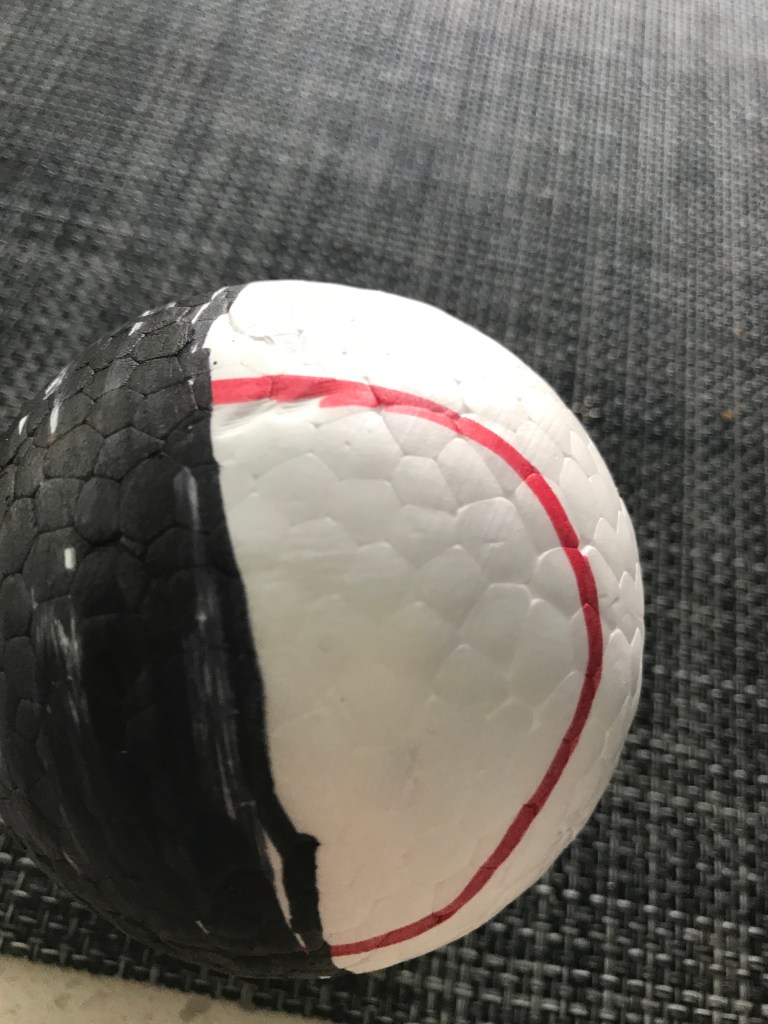
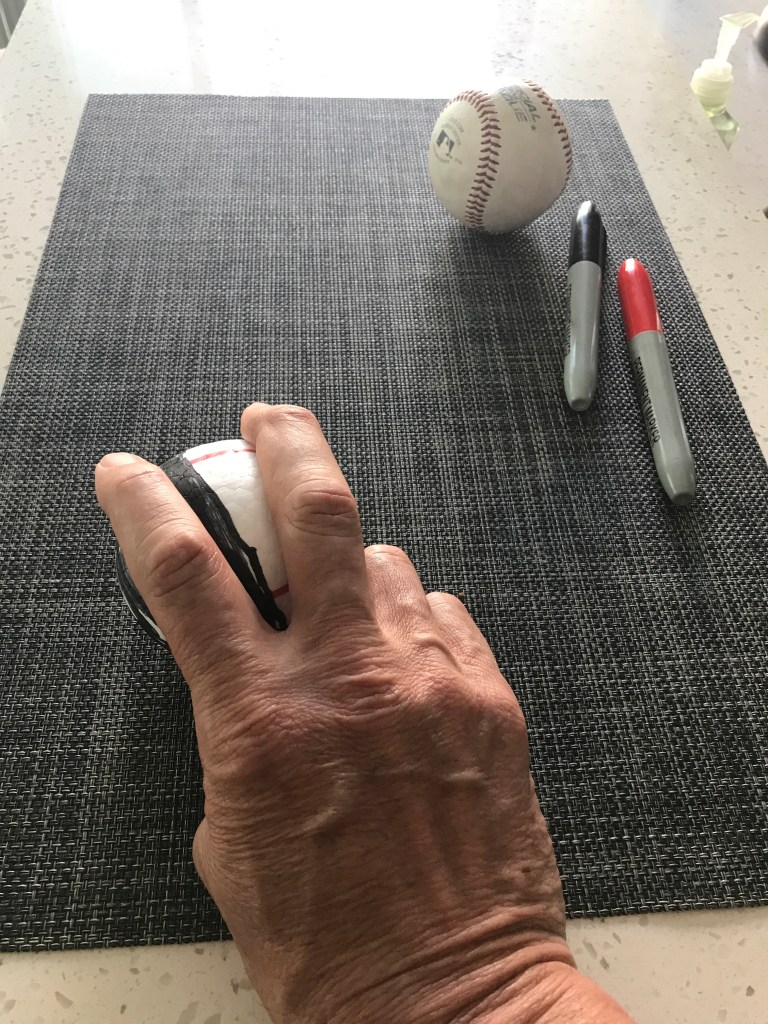
There are different fastballs; four seam, two seam, split fingered, cut and batting practice. Let’s stick to the most basic today, the four seamer. I have had the benefit of working from Little League to the Major Leagues and every level in between from travel ball to minor league baseball. I have coached girls as well, from youth to teens. The foundation of your fastball starts with your grip. Being good at throwing fast and accurately can take time but it is an amazing journey. It takes deliberate practice, consistency and takes being persistent. I have witnessed many players develop powerful throwing arms, I have seen many players increase their accuracy; success at any level is enjoyable and worth the time put in to improve. Spin on the baseball can give us feedback to whether we are throwing correctly or not. A good practice drill for this is to take your ball and color half of it black with a sharpie. ( dissecting through the four seam grip). The colors or shading of the ball will be apparent when throwing the baseball or softball properly- the thrower’s fingers, hand and wrist behind the ball at release. The wrist making a wave good bye motion and the fingers coming down and through the ball. I have seen coaches uses black electrical tape for shading the ball for this throwing drill as well. Once, we can do it right at 25 feet, take four steps back and so on. Another variation is to start with the throwing side knee on the ground. This let’s us just work on the path of the throwing arm, the grip and the release of the ball.
We want to be able to measure our successes and gains in fastball speed. Once players arms are in proper shape there is nothing wrong with measuring a players progress. A tool I use is the Pocket Radar. I bought mine on Amazon. The measurements make it fun for the players, especially when they are young. Remember, that we want to celebrate effort and improvements. I have found that this quantifying of speed has kept my players working on their throwing fundamentals when they are at home, not just on the practice field. Coaches, we can measure speed on balls thrown from any where on the field, not just the pitchers mound. We get a baseline speed, record it and then measure improvement. Heck, I often measure the speed with the player throwing into a net. Build a strong foundation, grip it correctly and rip it with intent! Let me know how fast your fastball is.
 No BS Baseball