Gains are not linear.

On day one of my throwing velocity class there are two dozen young athletes, all with the desire to throw harder. This professor of velocity briefly outlines the class. Weeks 1-6 we will assess your ability to move, we will measure one’s strength, learn and execute the exercises, drill work will be performed with the sole goal in mind- which is- to promote arm care while learning to throw the ball hard. As the class enters the final week of our ramping up period we begin to discus the velocity enhancement portion of the course. One point we must emphasize, velocity gains are not linear. When heard, the average athlete thinks” that does not apply to me”, but for the majority of athletes and people. this will become true. It is the frustrating part of training. The lack of weekly gains can cause one to question the methodology of the program design, it makes one wonder” what am I doing wrong”. Driveline baseball, a pioneer in baseball research and player development, displays a graph where athletes hits a lull and underlines this part sucks. Many other strength and conditioning blogs have written about strength gains not being linear. Many times a climb in strength will often be followed by a dip in power before we climb to a higher threshold, Reaching a PR
( personal record) in velocity is an amazing, rewarding, exhilarating feeling. A reward for all my hard work. It makes me fired up to see the athlete hit another PR.

Sports often mimics life and as we know, success is not always linear as well. We climb the corporate ladder each year and all of a sudden, we are passed up for one promotion, just one, and self doubt begins to creep in our thoughts. Professional baseball players usually start their careers in Rookie level baseball. Man, the next year I am moving on up the Low A baseball. The next season comes, a promotion to High A. The over confident thoughts of, I have this figured out is at the forefront of my mind, I will be major leaguer in two or three years. But, the harsh truth is, next year I find myself repeating the same level of competition. What is happening, we ask ourselves. Why are they doing this to me? I was on schedule to make my Major League debut in two more years. Will people look differently at me since an not climbing up as fast?. I possibly wish I would have been more humble and not talked so openly how I was on the fast track to stardom. We all face road blocks, detours, temporary plateaus in our personal development, our professional life and even in our pursuit of elite velocity. How we react it what separates people/ athletes in their relentless pursuit of excellence.

A bump in the road is not a crossroad, let’s not a mountain out of a molehill my momma says. She is right. However, spending too much time standing in place is an issue if you are truly chasing excellence in your life or in your athletic goals. Many times, we look outward to find fault in one’s lack of personal gains. Richard Bach, an American writer widely known of some of the 70’s biggest sellers, wrote ” The worst lies are the ones we tell ourselves”. Those lies are dangerous. In this classroom, the teacher- that’s me- is selling the point that we are going to look inward when things are not going our way. This arm care and velocity program is based on principles. We are going to ask ourselves if we are meeting the given criteria are we controlling the controllables? Difference making areas we need to examine; proper sleep, calorie intake, hydration. We are going to check these boxes first. Let’s examine our foundational principles. Question one, how am moving? We are going to walk through the FMS movement screen, re test our strength and check our technique through slow motion video. Self examination, one might state. One that doesn’t weigh heavy on opinions but on facts. One particular frustrated participant found himself to have poor range of motion and needed to follow up with corrective exercises. His upper body strength had lessened with his performance. He honestly stated how terrible he had been with proper hydration because it simply has not been a priority. I give this young man props, he looked inward. A plan was out in place. Best pitching advice I was ever given, ” plan your work, work your plan”. Thanks to Larry Rothschild, long time major league coach, for that gem. A player development plan, one could replace the word player with personal or career, we have to have plan of attack. Now, that we are focused on the process, the gains are climbing once again.

gains have not been linear. A personal development plan is in place for this eager student!!

Learning to Fly

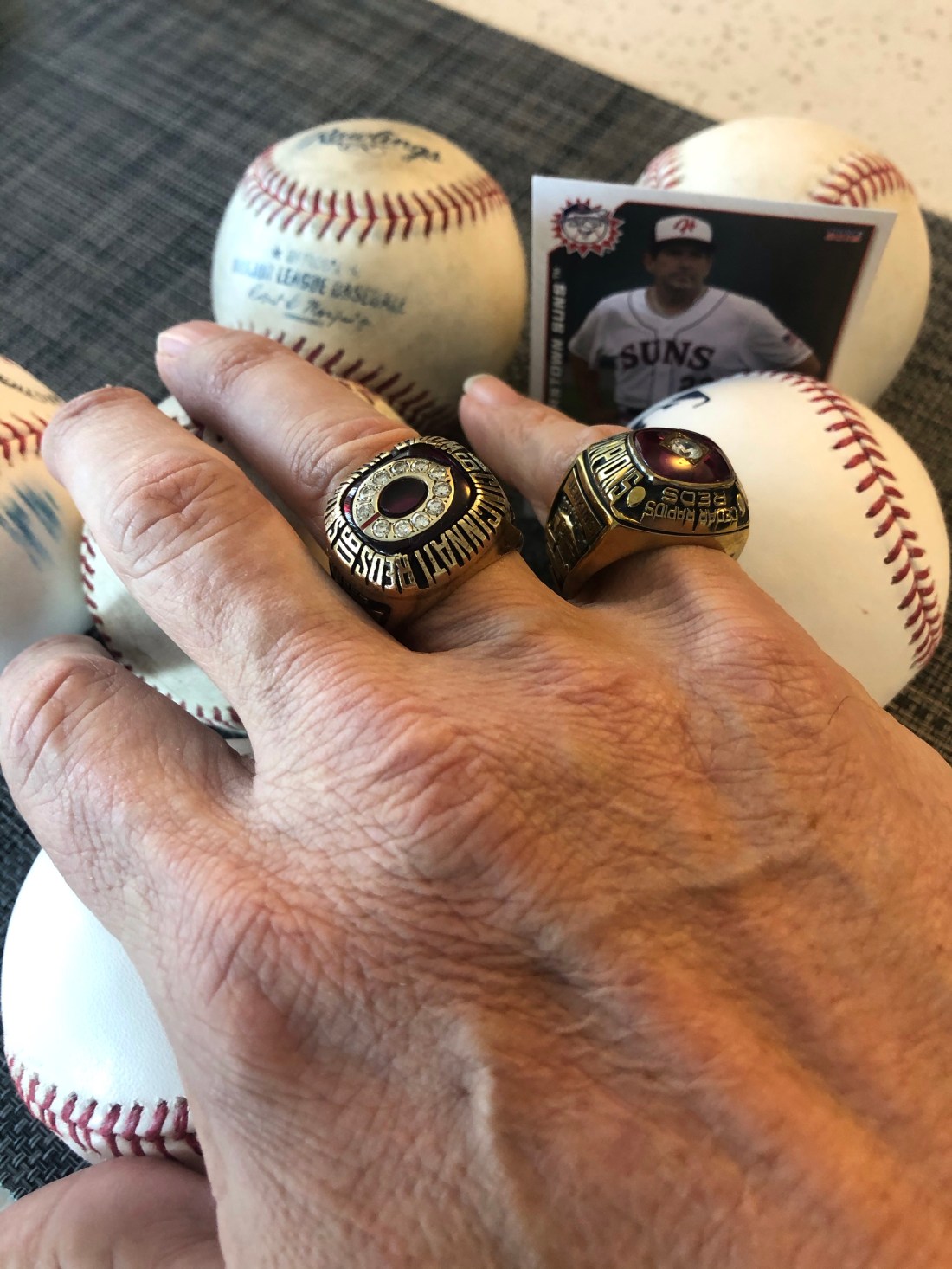
My experience in baseball has encompassed many areas and reached great heights. I played the game professionally, I coached for three decades from the rookie leagues to the major leagues. After a near eight year run as a major league coach, I climbed back on the busses to coach in the minors once again last season. The little league fields have not escaped my coaching journey, my son played baseball from age seven to age twenty three. I have coached girls Fastpitch softball, my daughter was one bad ass Division I softball pitcher. My point of sharing these experiences is that the author of this article knows a lot about throwing a baseball or a softball for that matter. This article is not about me, it is about teaching kids how to throw properly it just happens to be written by a man who broadly smiles when his students improve.

Kids come in different sizes and shapes. They do come in varying measures of athleticism, These boys and girls have unique personalities and, this is an important and, they come with their own learning abilities and style. The hardest thing in coaching is finding ten different ways to say the same thing. A great coach establishes some kind of relationship with the athlete to where The coach has some idea of what makes the student tick. What other activities do they have in their lives? Another question that is important is, where has your young student been in their baseball classrooms. What I mean is, have they had a prior pitching or throwing coach. What did the coach teach? What is extremely common today is what have you learned on the internet about pitching or throwing a ball. There is so much information available, it is simply confusing. Many folks are capable of gathering data and information but few are capable of breaking it down to the student standing in front them, speaking that child’s language, creating drills that are individual for his or her needs.

When it comes to throwing, consider this lesson one. An assessment of a players skill level and athleticism can come from observing a simple dynamic warmup and by playing catch. Some youngsters can move on to the pitching portion of instruction. However, many children need help learning to fly ( throwing a ball with force and a smile). Throwing is a toe nail to finger nail movement. Each of the body parts in between play a key role. The way each of those body parts move is important , when they move, how much range of motion , how strong is each muscle or body part is crucial, as well.

I gain a lot of information by playing coach with the pitchers. And I have played catch with many little leaguers, major leaguers, softballers, major league all stars, and even a baseball Hall of Famer. There is a lot to be learned by paying catch, (please read Playing Catch and The Rhythm of the Universe, an article written by David Laurila on the Fan Graphs web site). I like to see how the pitcher is gripping the ball, this detail is very important. The grips effects the direction the ball spins, the grip can help or hinder the amount of spin and how the thrower commands the ball. Once, we have the correct grip, correcting the athlete from the ground up is the most effective methodology. Footwork is a critical cog in throwing powerfully and accurately. Time spent on developing elite footwork takes time, effort, patience but in the end we need this part of the foundation to be rock solid. The throwing side foot plays a big role. Teaching your thrower how it should work, what it feels like when done correctly is a big teaching moment. The lead leg action falls right in with the other moving parts of the throwing motion and gives the pitchers good direction towards the target and the landing leg will eventually stop the forceful momentum creating by the pitcher’s back side as the ball is delivered. Sounds complicated but it isn’t. The glove arm has a purpose and this is often taught incorrectly Think of this, the catcher has a hundred dollar bill in his mitt and as you begin your move towards home plate, the ball out f the glove- you are going to teach into that catchers mitt with your glove, get the hundo and put it in your shirt pocket. Simple stuff. The motion of the throwing arm needs some individualism to it. Remember, the length of this lever is always changing if the thrower is still growing. The best arm motions I have seen come from taking the ball from the glove with fingers on top. And think your throwing hand traveling in a circular motion back and then moving the arm forward. The best throws will come from your elbow passing the ear at shoulder height. Having you hand and fingers behind the ball at release is extremely important to a successful toss. Some throwers have found their ideal arm angle or arm slot by throwing balls heavier than baseballs, like a football. When thrown beautifully the football has a spiral. When using heavy balls, remember to use your baseballs at the end of the practice session. Let’s keep throwing fun, let’s have a growth mind set that everyone can improve and let’s teach with simplicity, passion, and facts.

I Need Tempo

Great drill for a crucial aspect in throwing. Rhythm and Timing

Rhythm can be defined as a repeated pattern of movement. Tempo is defined as the speed of motion or activity. Rhythm and tempo are an integral part of athletics. However, it is rarely practiced or emphasized. Let’s change that. The above video is a great drill a quality

for pitchers. All the positions on the field need proper rhythm. The infielders have a tempo they get into with their feet and hands as the pitch is being thrown. This is what creates first step quickness’s and anticipation. The outfielders get into a rhythm as the pitch is thrown as they must be on the balls of their feet react to move in any direction. The great fielders have first step explosiveness. A catcher gets in rhythm with the pitcher and the way he sets up. How and when he flashes the target. Too late of a target isn’t productive, too early causes rigid ness. Aside from baseball, think of the best free throw shooters in basketball, they possess that rhythm and tempo at the line. Remember that repeated movement pattern and the speed at which it happens. How rhythmic is a hoops player when he is on a hot streak? How about the NFL quarterback in a good rhythm, he picks your defense apart with accurate , quick passes. Often a strategy to beat the best shooters or quarterbacks might be to disrupt their rhythm. That is how important rhythm can be to an Athletes success.

Timing drill. Ball from glove at proper time

This is another drill to work on the rhythm and timing of the proper ball from glove separation. If the ball comes out too late, the throwing or pitching delivery breaks down. A loss of power and accuracy results. The chance of injury increases. I am sure hitting coaches will see how important rhythm is to hitting and the timing of when the hitter begins he move to the baseball is crucial. The base runner and base stealer need to get into a rhythm with the pitcher to get good jumps and take the extra base. Think of ways to improve your rhythm and to be more consistent with your tempo. Take ownership of your tempo and work on it. Being able to repeat in crucial situations with help with your success whether your on the little league field or have 40,000 chanting your name, breath and maintain your rhythm and tempo.