Player Development Final Thoughts

My goal in writing this post isn’t to provide all the complex ideas and theories that go into developing players. It is simply to introduce some of the main ideas, mission statements and long term goals included in championship player development. Learning a new skill takes time and it requires patience from the teacher. Hopefully we have broken down some of the concepts into simple ideas for a broad audience to grasp.

Thus far, we have taken our athlete and established his and her strengths and weaknesses. We have prescribed strength programs, mobility programs and dietary programs. We have introduced them to our organizational philosophy and daily routines. The pitchers’ have a baseline of where their pitches are and where we want to go with them to be successful. One of the next steps is to provide appropriate competition levels. Think of moving through a school system. Providing challenging competition helps the player realize where he or she needs to improve to become an elite player.

An area of player development is the process of learning elite mental skills. Choosing how to think is crucial to all athletes in order excel under pressure. I have been fortunate to be around great performance consultants. One common theme is the ability to keep one’s breath regardless of the situation. This skill takes deliberate practice. Ken Ravizza, was one of the best and I learned a lot of him. His books and teachings live on. He was brilliant. He was huge on preparation and routines to get the player locked in. He said once to our group of athletes ” are you that bad that you need to feel great to perform great?” He also said to a group once to ask themselves ” why do you play this game, if the answer isn’t you love it, you are in trouble!” Developing mental skills is critical to consistency, learning to deal with failure is a must! There are many outlets available to help coaches teach the mental game. And we can help the players by showing up every day with the same energy, excitement and enthusiasm regardless of how the player or team is performing. We must fall back on what coaches do best, teach.

Another area of a player’s development is learning to be a good teammate, being accountable, taking ownership of her or his actions. Good organizations will provide community service projects as well. It may be youth baseball camps, volunteering for the Miracle League, school reading programs or to simply helping those who are less fortunate. These activities lead to character development and helps provides a sense of humility for the athletes. No one is bigger than the team regardless of their talent level. Good coaches learn to deal with people of all walks of life and personalities. Remember the importance of establishing relationships with each individual? We are not only developing the player but the person. Athletes have a life off the field, they are human. Coaches involved in player development can also be involved in the process of young athletes developing as people off the field. A good organization amateur or professional want quality people to work with and want to be a part of developing them as a person as well.

In conclusion, there are many aspects involved in a player’s development. Providing an atmosphere where failure is not fatal is crucial. Being present every day is critical. Consistent demeanor as a coach is challenging but is a requirement when dealing with young athletes. I always wanted to prepare and educate the player to the best if my ability. I want them to play the game fearlessly, passionately. I am there to continue to support their efforts. to remind them of established cues to their success and help the group make adjustments during the game play. Intensity and focus are traits that coaches should bring, those tend to rub off on the players. A good coach has long term vision and works relentlessly to create success for their team. I hope those who are coaching your daughter or son are invested in team’s development as players and people. Good luck developing your athletes to be the best version of themselves.

#coaching #playerdevelopment #leadership #baseball # growthmindset
PLAYER DEVELOPMENT PART DEUX

Even if your sport of choice isn’t baseball, your expectation is that your team drafts athletic players, and your favorite franchise will ” coach ’em up”. Player development is crucial to the players progress from the amateur side to the professional side of the sport. Professional baseball has a long, grueling season. In college or high school baseball your team starts their best pitcher once a week, the Friday night starter is the man! An important part of development for starting pitchers is the introduction to the pro baseball timeline. The pitcher moved from once every seven days to once every five days. There is much less recovery time (33%), so areas like volume of throws, timing of long toss and bullpen days change. The schedule of weight training, arm care and conditioning also change. Relief pitchers must also adapt to routines that allow them to be available to pitch more frequently than they were accustomed to in college or high school baseball. Some pitchers change roles once into the professional ranks. This is where the growth mid set and long-term vision comes into play.

When a pitcher arrives in a development program the work begins immediately. Scouts have provided information about medical history, prior pitcher workload and any other pertinent information that would be beneficial is assisting the player in his or her new endeavors. The medical team performs an exam on each player, and we discover any limitations on that player. Physical therapists can also help determine joint integrity for the players and prescribe any corrective exercises to enhance player performance and health. A movement assessment is also done for each player. Here we can discover why a player/ pitcher moves the way they do. We can also find areas where a player can improve how he moves, workouts begin to be very individualized as different players have different needs. The strength and conditioning staff are also involved. We may discover strength deficits or areas of focus for the player. Everyone works together to put together a development plan for the athlete. A strength coach and nutritionist will work together, communicate with the player specific goals. A player may have a goal of weight gain or a goal to change his body composition through the training and a dietary plan. Why guess when you can assess? I have certifications in Functional Movement Systems simply to better understand the importance and general concepts of human movement. I also am certified in OnBaseU, it a fantastic group that is geared towards pitcher specific or hitter specific movement patterns. This group is huge on the PGA tour as well. Today’s athletes across the globe are setting world records in every type of event, I attribute these feats to more intelligent training, elite motion capture usage and the implantation of a well devised improvement plan. How athletes move is very important to how we teach them. Movement specialists can determine if the athlete is an Aerial mover or a Terrestrial mover. All of this information is useful in getting the most out of the athlete. There is no cookie cutter way for the pitcher to move on the mound, the good organization will develop pitchers with efficient deliveries. Good deliveries produce two or more pitches thrown on a downhill plane and increase the likelihood of staying healthy.

The athlete has a development plan for his arm care, strength goals, movement pattern training, body composition goals, he has been educated on recovery and sleep. Now, we need to develop his pitching plan and pitches. Pitching can be argued for days on end, but the fact is- the pitcher must get ahead in the count and make the batter swing at his pitch, period- paragraph. Getting ahead in the count becomes more refined at the most elite level and discovering one’s put away pitch will take some time (minor league innings). The athlete will also need a coach who is invested in the development process and a staff around the player who does not care who is given credit for improvement, just that the player progresses. A pitcher arrives on the scene with an arsenal of pitches. We want to make those pitches better, improve his command, improve how he or she will sequence those given pitches. Pitch tracking data is amazing. Without going into anything complicated I can tell you that pitch characteristics are measure by missile tracking technology, by Doppler Radar, sophisticated stuff, you get the idea. Analysts help the coach and the pitcher in discovering areas of growth and improvement in his repertoire of pitches. Today’s development team is all encompassing. Successful pitchers always are seeking a competitive edge. Designing pitches is one of them. Remember when we said we want to create an environment where failure is not fatal. Tom Browning, Mr. Perfect, was a friend, mentor, coach. Tom also authored a Perfect Game, the 12th in ML history, on September 16, 1988. His changeup was a pitch he developed after his first season. He told me that the first one he threw in a game ended up on the street for a long homerun. He was encouraged by his pitching coach to throw it again and again. This education and thought process led him to having a devasting out pitch in the Major Leagues. No data was needed in this instance. The goal is to teach each player the skills needed to be a successful major leaguer. Growth does not end when a player reaches the highest level. Teaching and player aptitude go hand in hand. Nick Saban once stated,” good players want to be coached, great players want to be told the truth”. Relationships drive talent growth. This is a missing piece in some organizations. On my end, I always wanted the athlete to be the most educated most prepared player on the field.

#coaching #baseball #development #growthmindet #process

Player Development Part I

What is player development, one may ask, It covers a vast variety of details. I have been involved with baseball player development since 1990, that is 34 years, nearly my entire adult life. I feel qualified to speak on this topic. Most of my time developing baseball players has been spent at the professional level, some 29 years. But I have also been involved at the high school level, the college level and with youth baseball and softball players. A Major League Baseball organization must develop their own talent to survive in this economic client the league finds itself in today. I learned many years ago from a well-known General Manager, the key to his successful tenure, SDSD. Scout, Draft, Sign & Develop. There are many facets to this process. Today’s game has come a long way since I began this journey in 1990. The way in which baseball scouts amateur players has changed in in digital era, the draft process has been upgraded, the signing of talent can be tricky but great organizations find a way to make their budget work. Ah, the development part, we will define development as “a process that creates growth, positive change, physical, mental maturity and where failure is not fatal.

When given players to develop, the most important cog remains building relationships with t players. Establishing a relationship of trust with the athlete a key to player growth. The player must know you care about them, their development and they trust you have their best interest at heart. The coach must have knowledge in the area he or she is teaching, as well. The coach needs to have a passion for their areas of expertise.

Assessment of an athlete is one of the first steps in developing a long-term development plan. Good player development programs have long term vision and do not allow short term obstacles to get in the way of player growth. In baseball, we have always measured. But the days of a stopwatch and a radar gun have been replaced by much more sophisticated tools. An athletes’ development is enhanced when the medical team, the coach and strength staff work together. The power of individualized exercise programs, strength programs and nutritional goals have enhanced player development. I would consider these participants to be under the medical umbrella, Team Orthopedic, Certified Trainer, Physical Therapist, Certified Strength Coach, Movement Specialist, Mental Coach, Nutritionist. That is quite an important team, and this group work must with the on field coaching staff to enhance individual player development. Let’s not forget a successful organization will have a team of data analysts, that can suggest ideas based on data findings that will enhance individual players development goals as well.

Regardless of what you have heard or read, the game is and will always be the best teacher. We as coaches, analysts are there to help the player learn from each game, each pitch, every situation and play. Good coaches use all the tools available to shorten the learning curve for their players from level to level of competition. Teaching organizational team defense (part of the development process) is paramount when joining any organization, High school, college, AAU or professional baseball. Quality organizations teach the team game as well as individual skills. A good organization will have continuity in what is taught as far as team defense, they will use the same verbiage and will execute the same way. Defense in baseball is different than other sports in the fact that we have the ball when we are on defense. Sound fundamentals are taught at the introductory levels and rehearsed and practiced at every level of baseball. One third of baseball games your team will outslug the other team and then one third of the time, that team will outslug your team. It’s the other one third of the games in which the team who executes the fundamentals best, wins those games. It is paramount to root each player in sound fundamental baseball. Some organizations are better than others when teaching fundamentals, keeping the drills fresh and to the point. Teaching responsibilities and holding the player accountable is crucial to team success. A pitcher for example, needs to do more than just throw the ball over the plate. He is responsible for managing the opponent’s running game, he must back up bases, he must know the bunt defense, he must be able to field his position and make all the throws to the bases as needed. These mentioned responsibilities are true in the lowest of the minor leagues to the major leagues. This is a small sample of team defense, but part of player development is learning how to defend, where do your responsibilities lie once a ball is put in play. The player knows the verbiage on run downs, relay throws from the outfield and on fly ball communication, wherever he moves within an organization.

Baseball & The 4th of July

Baseball and the 4th of July celebration has been a part of my entire adult life. From 1986 to 2021, I have spent 33 of those Independence Day celebrations on the baseball field. I have been a player during that time, a minor league coach, a major league coach. And this time, a coach in the newly reformed Appalachian League. This league is full of collegians from across the country. We will be involved with celebrations on three consecutive days. The Flyboys will be in Burlington, NC, Johnson City, Tn and of course, Pioneer Park in Greenville.

Lest not we forget that the fourth is Independence Day. The holiday marks the day in 1776 when the Second Continental Congress unanimously adopted the Declaration of Independence This signaled the official separation of the original thirteen colonies from Great Britain amid the Revolutionary War. While doing a little research it turns out that fireworks were used to celebrate the holiday in 1777. The first ever recorded Fourth of July party was held in Philadelphia, Pa., How many forefathers envisioned it, the celebration included illuminations, a parade, and explosions. President John Adams wrote that the date, (July 4,) will be celebrated by future generations with pomp, games and festivals. Early Americans brought fireworks with them to the New World and the quickly became a July 4th tradition.

Some of my best Independence Day celebrations were in Indianapolis. The AAA stadium, Victory Field, was packed each time Louisville played there. The streets were also lined with people. The fireworks, music and light show entertained thousands who come for the party. The 2021 celebrations started in Burlington, where the stadium was packed. The music with loud and lively. The crowd was entertained with on field promotions. The stadium was truly buzzing with energy. The Sock Puppet fans were loud and excited. The game cruised along for eight innings. The teams entered the final frame knotted at one run apiece. Then, the Puppets could not throw strikes. The game came to a crawl. The Boys had opened a five run lead when the skies opened up and without warning it flooded. It was a rain storm of Biblical proportions. The grounds crew raced to cover the field, the crowd hurried for cover. About the time the deluge slowed down the City made a good decision, they let the fire works loose, regardless of the end of the game. The fireworks show was spectacular and the fans enjoyed every minute of the illuminated rainy night sky. We were not able to complete the game after a long day, another good decision.

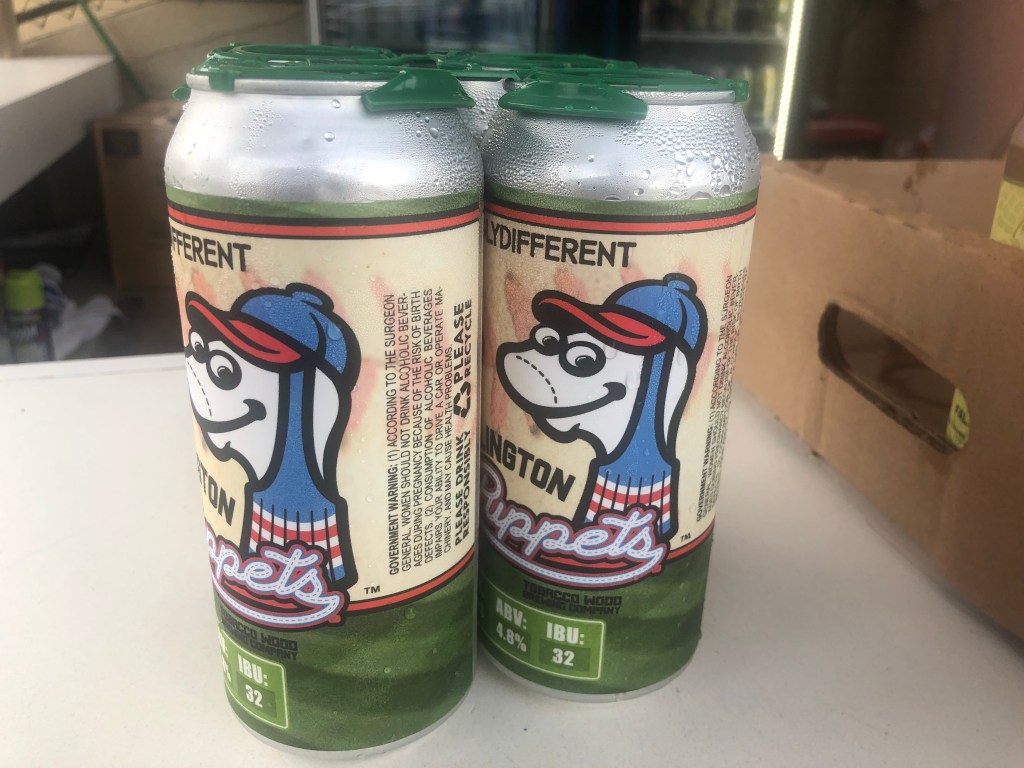
There is even sock puppet beer

The second fireworks show was a July 3rd celebration in Johnson City. Last time we played in this stadium there weee fireworks of a different kind. Doughboys coaches were ejected, there were rowdy fans escorted from the stadium. I am hoping for a little more family and fan friendly crowd this time around. This game started out with a good pace, the Boys held an early 4-0 lead but the Doughboys fought back. Ryan Franklin, entered the game in the fifth inning with two men on base amd two others had scored. A huge strikeout ended the rally. The crowd was boisterous and and the excitement was high. But the Flyboys rolled out the dough winning the game by four. The fireworks show was stylish amd loud. The fans and players enjoyed the illuminated skies over Johnson City.

The Stars n Stripes

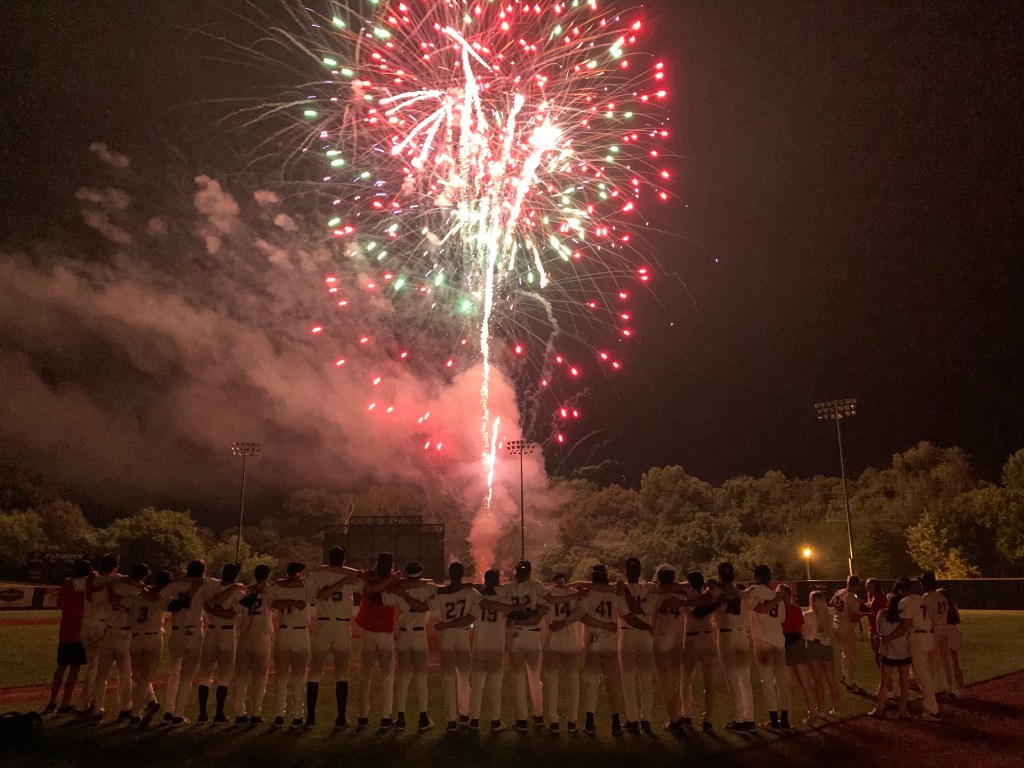
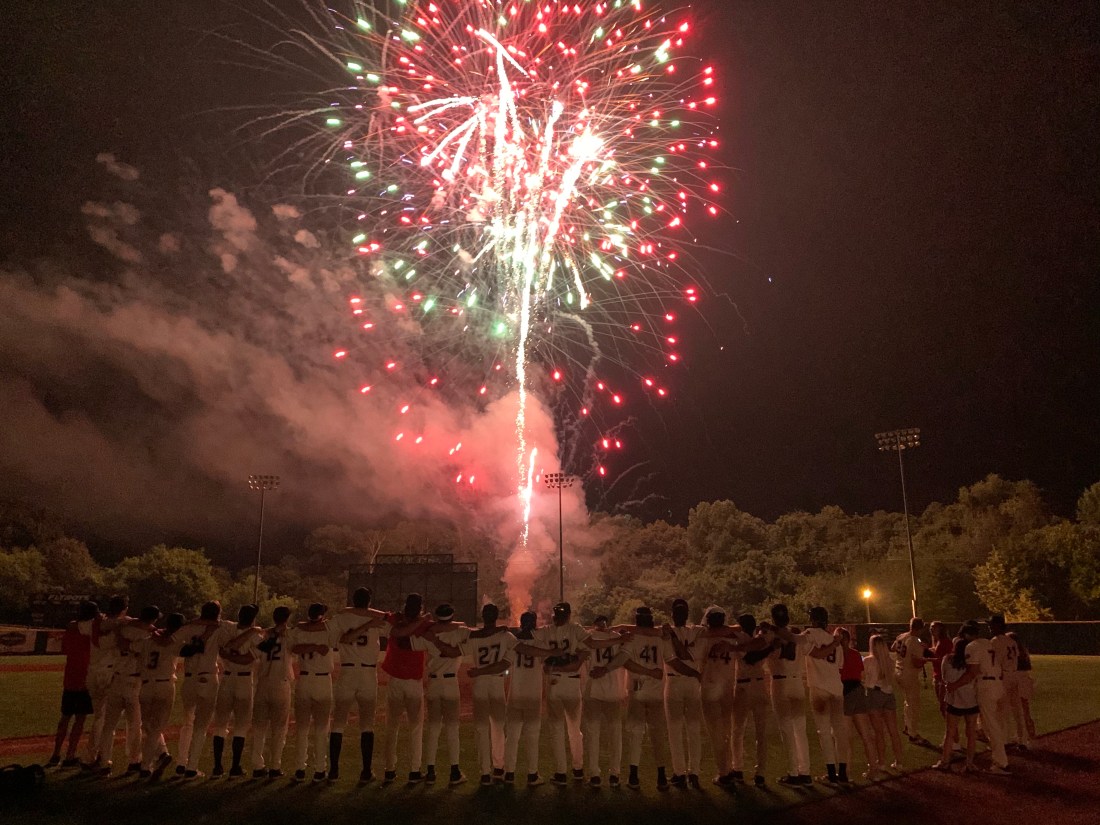
The final July 4, Independence Dsy celebration took place on the campus of historic Tusculum University. It was a great night. The crowd filled the seats like we have not witnessed before tonight. A nee attendance record was announced late in the game. The buzz of the crowd, the Star Spangled Banner, the smell of hamburgers, if this doesn’t get your blood pumping- something is definitely wrong with you. The Flyboys dominated the game, which was extremely long due to the frequency of base on balls by the City Doughboys. The game ended in odd fashion as we kicked five ground balls in the final frame. The stadium lights went out and the show began. Many Flyboys were joined on the field by close friends. The others joined arm in arm to admire the Independence Day celebration. It was a fantastic night. It is amazing how baseball brings people together,makes me proud to be involved.

L

We Can & Must Do This.

The Sock Puppets

The Flyboys are on a two game losing streak, what? The Sock Puppets, you heard that right, are traveling to Greenville for a two game set. In an article from mlb.com, it is written that the team from Burlington now has an identity that embraces the history of the community as well as one that is unique. The identity was created by Dan Simon of Studio Simon. The name Sock Puppets, gives homage to the rich textile tradition of the Burlington area by featuring two different sock puppets inside the primary logo.

Burlington Sock Puppets

The Flyboys pitchers have been working hard before each game. The team of seventeen pitchers is a good group. The players all are religious with their arm care. The Greenville team has supplied the fellas with bands for daily warmup and strengthening. The band routine is something every pitcher should do on a daily basis. We have several sets of bands that clip on to any chain link fence. The club also has plyo balls. These pliable throwing balls are of different weights. Driveline is the manufacturer of these balls. There are a series of throwing drills the pitcher can do every day as well. Generally, one would choose a maximum of four throwing drills to complete every day. There are seven basic movements to do with these “skittles” as some call them because each ball is a different color. Driveline not only makes the weighted balls, it provides education for throwers as well as research to back the benefit of each throwing drill. What I like most about the drills is that they should be unique for each pitcher as everyone has different needs, The idea of the drills is to make the user better at pitching, not good at the drills. So each throwing drill has a purpose and needs to be completed with the purpose of the drill in mind. The Appy League also uses the latest tracking technology, Rapsodo and Trackman. These simply track the flight and spin of the ball. It will tell us how fast the baseball is moving, the direction it is moving, how much spin is on the ball. These devices can also give the user some metrics about the pitcher. How high from the ground he lets go of the baseball, what the pitchers’ arm angle is at release, the angle of the ball when it is released. So, fun stuff. This data that is collected can be used to help the coach and player script an individual development plan for every athlete .Something as simple as the pitcher’s arm angle is different on each type of pitch the pitcher may throw. So, along with video, we can assist the pitcher release his fastball, curveball and changeup from the same window. This way, everything looks the same to the hitter when the pitch is released. Hey, every competitive edge we can get we use here with the Flyboys. However, with all the technology available, the pitcher must cross that white foul line and compete. The pitcher must plan his work( pregame) and work his plan during the game. That is a simple formula for a high percentage of success on the mound.

Game one of the series goes to the Boys. The bats were rolling tonight and an eighth inning bomb off the scoreboard in left field sealed the deal. The bullpen was not clean tonight but each pitcher managed to make a pitch to escape the big inning. Game two was hampered by lightning delays but the Flyboys tossed their second shutout of the young season. More importantly, two of the four pitchers in this game made adjustments from their previous games. Dawson Gause worked two shutout innings. Zach Fruit,’of Easter Michigan, worked two exceptional innings showing a huge gain in control of his pitches and quality of his slider. Zane Robbins finished the shutout with two strikeouts in final frame. Zane, has developed since joining the beginning of the season. He has seen a significant jump in velocity, throwing efficiency and quality of breaking ball spin. Remember how we measure pitch metrics? Many fans and coaches can be intimidated by the new way of collecting data. But the truth is, baseball has always quantified a player’s tools. The days of just using a stopwatch, a hand held radar gun and a vhs recorder are over. We are quantifying player performance at a new level. When used correctly this information can help a team sign the best player available, it can cut the learning curve down for players of all ages as well.

Flyboys earned a day off Monday. The team went 4-2 on the week including sweeps at Bristol and at Pioneer Park against Burlington. The team heads East Tuesday for the longest road trip of the season to date, a five game trip starting in Pulaski and ending in Johnson City with a stop in Burlington in the middle

Signing some post game autographs
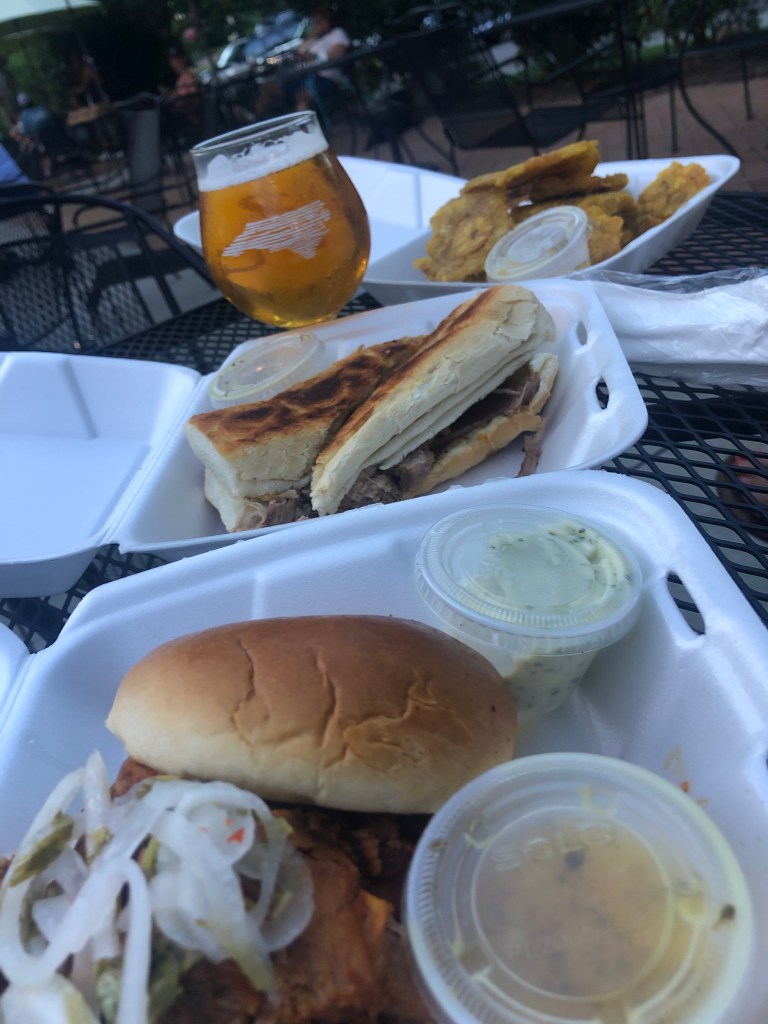
Off Day Cuban feast.

Consistency

The first place Flyboys return home for a four game homestand before a day off on Monday. The team will host the Bluefield Ridge Runners. Being the curious type, I am looking for a definition of Ridge Runner. This is what I found. The nickname refers to people from the higher parts of mountainous areas in the Southeast United States, especially Appalachia. The term has significantly different meaning in other parts of the country. The Athens Banner- Herald wrote that Ridge Runners are employed by the Appalachian Trail Conservatory or the Appalachian Mountain Club. The ridge runners work to educate, protect the experience of trail users and attempt to keep trail conditions pleasant for all those out there who enjoy it. One ridge runner stated notable perks of the job he or she loves. Those perks are as follows: nightly live music performed performed by owls and coyotes, breathing fresh mountain air, awaken to the sound of song birds, the remarkable colors of sunrises, sunsets and the pace of life in the backcountry is slow, Enjoyably different from a nine to five job way of life. Sounds like we should all schedule a trip the Appalachian Trail.

http://www.AppalachianTrailClarity.com

This series will features the first place Flyboys and Bluefield, who has had difficult times recently, losing nine of twelve games. Well, on paper this series should go to Greenville. As it has been said before, the game isn’t played on paper it is played on the field. The Flyboys drop game one in a clunker, 6-4. The score indicates a close game but believe me, it was not. Game two saw the Boys drop another game to the fourth place team, 6-1. It was a game that lacked intensity, good fundamentals and it was frustrating to watch from the coach’s perspective. I know we are better performers than the last two games would indicate.

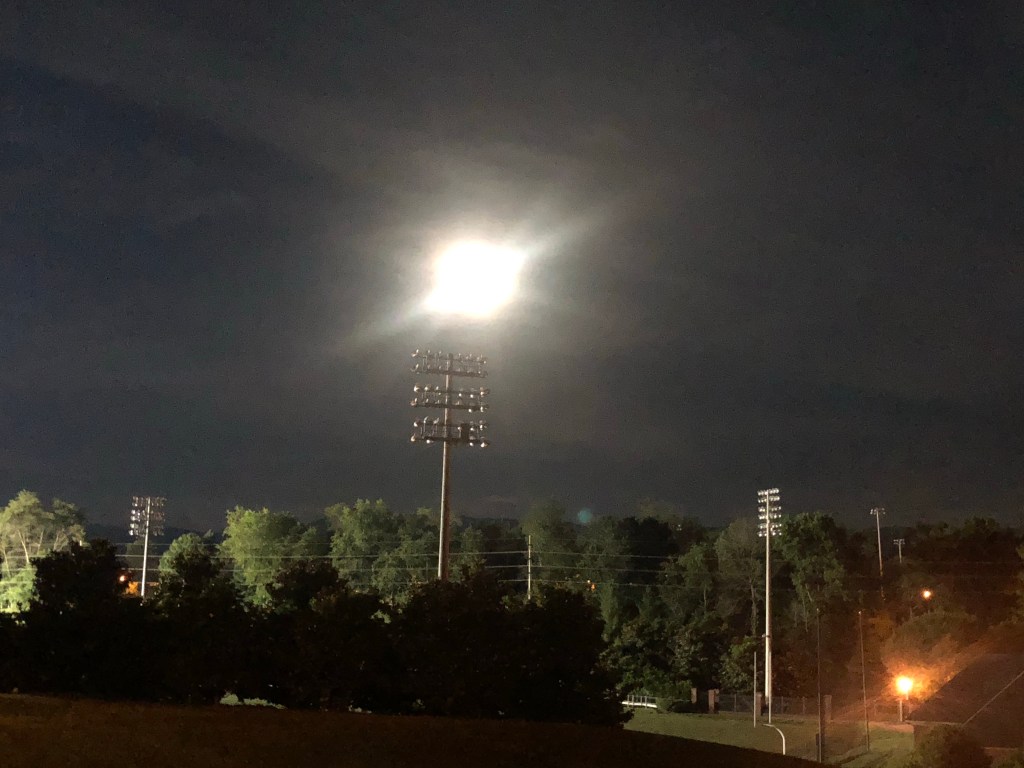
Full moon over Pioneer Park

An often overlooked concept of winning championships is consistency. Our favorite team doesn’t win the title unless they perform consistently. There have been many talented players who never reach a pinnacle of play because of roller coaster level of play. Think of the players ,that we may look up to, they perform consistently. It is hard to win with variables in team’s everyday lineup. My advice to young players is to strive for consistency not just a highlight reel playsor pitches every other week. Consistent performance begins with one’s preparation. A pitcher’s life is regimented. I have seen and been on the field with major league all stars, hall of famers, and players who only stuck around for a minute. Talent is part of the equation. However, those who prepared in a consistent matter, those who had regimented habits accomplished sustained success over the years. One consistent starting pitcher began tossing in the outfield before his start at twenty two minutes before game time – every game. He had the same sequence of pitches in the bullpen before each game that ended in pitch number thirty two. This pitcher always walked to the dugout for water and to sit for five minutes before being announced on the public address system to take the mound. He pitched until he was forty years old. During the week he had the same days in the weight room. The same day he threw his practice session in the bullpen, two days before he scheduled to pitch in the gane. His preparation was regimented. John Di Lemme wrote a poem titled “I am A Habit”. It is read for everyone in this great life we have the chance to live, live here is a used as a verb. In the poem he writes “ I am your greatest companion, I am your greatest helper or your heaviest burden. Those who are great, I have made great. Those who have failed I have made as well. Be easy with me and I will destroy you. Who am I? I am a habit!

If you love playing sports at any level. Create daily a game day routine, a pre pitch routine and preparation (practice day) routine. Most routines come through trial and error. These things will increase your level of consistency. All athletes know that there will be ups and downs during a long season but if we have a solid routine to fall back on, the peaks will be higher and the valleys not as low. Tomorrow is a new day. I will make up, make the bed, make coffee, sit in silence to express gratitude as well as visualize the day in front of me. My morning routine!

My power of observation at work

Boyce Cox Field

The Flyboys make their first trip of the season to Bristol, Tennessee. Bristol, Virginia is right across the state line. Odd, in my opinion, but who cares what I think. . The bus pulls up and we exit the Flyboy’s iron lung and walk toward the field. I honestly break out in laughter as we get close to the right field line. They have a chain link fence in the outfield, something I have not seen since going to my son’s high school games. The field itself is rather bland. The bullpen is somewhat of a disappointment. This area along with the game mound is important to a pitching coach. It is where my pitchers practice and perform.

The visiting bullpen!

Boyce Cox Field opened in 1969 after conversion from it’s prior existence as a football field. The ballpark has three main components, none of which seem to match. This includes grandstands behind the 3rd base dugout which belong to the baseball stadium. There are aluminum bleachers behind the first base side of the field. The seating behind home is a combination of concrete seating and bleacher seats. These were once closed due for safety purposes. The narrow press box sits well behind home plate. There is a small deck for cheesy hecklers off set and behind the third base side seating. A stand alone, small concession stand is also on the third base side, up on a slight hill behind the bleachers. Many fans on these two night brought their own chairs and spread out on the berm on the third base side of the field. Stadium journey.com writes that the field struggles to meet the minimum requirements set forth by MLB. The stadium is run by a non profit group and all jobs there are handled by volunteers. It is a labor of love for the folks there

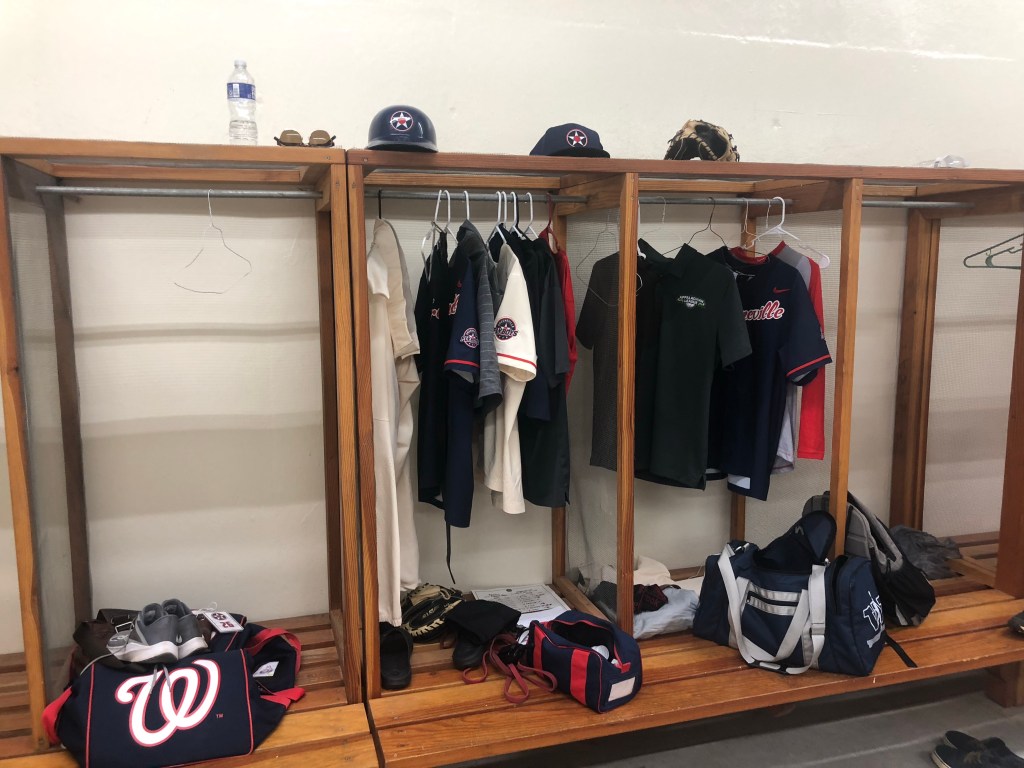
Old school chicken wire lockers

The series should be a good one. Bristol holds a half game lead over the Boys after winning four consecutive games. Game one was a dominant performance turned in by Bryce Mayer. The young RHP worked four innings, striking out eight batters of the thirteen that he faced. The Boys from the bullpen close out the victory, allowing just one run over the final five frames. Another double digit strike out night for the pitching staff. Greenville completes the sweep in game two of the series in an entertaining 14-7 win. The Boys outscored Bristol 7-0 over the last three innings of the game Connor Harris, a right handed pitcher attending George Washington University turned in another stellar start. Connor has outstanding command of a late moving fastball. The bullpen uncharacteristically coughed up six runs. Zane Robbins, affectionately nicknamed, Big Country, came in to save the day. He struck out five batters over the two and two-thirds innings, including punching out the last three hitters of the game on his power hook down in the zone. The offensive pounded out fifteen hits including six for extra bases. This was definitely a team win with everyone contributing. It will be a happy bus ride back to Tusculum after the exciting victory. The Flyboys are home for the next four days before a day off and a long five day road trip.

Invasion of the River Turtles

The River Turtles of Pulaski pulled in to town donned in their emerald green uni’s for a weekend contest against the Flyboys of Greenville, Tennessee. Pulaski is in Virginia. The town was named after a Count Casimir Pulaski, a Revolutionary war hero from Poland. The population of the town is around 10,000. According to Trip Advisor the number one attraction is Calfee Park, which is summer home to the River Turtles. Pulaski first hosted professional baseball back in 1942. The city has hosted young players from the Brooklyn Dodgers to the New York Yankees, most recently. Calfee park was built in 1935 as part of the New Deal enacted by President Franklin Roosevelt. This historic ballpark has been used for horse shows, fairs, concerts, exhibitions and of course, baseball. The park was renovated in 1999. Calfee park has been added to the National and State Historic Landmarks Registry.

The River Turtles own one of the leagues most potent offenses. This should be quite the weekend matchup. The Flyboys pitching staff holds the Turtles down in game one, allowing just five hits and two runs. The pitching staff, which currently leads the league in strikeouts, struck out 14 in this game while issuing only one walk. The offense made the most of their eight hits and five walks. The highlight of this game was young RHP, Austin Troesser. He absolutely dominated the opposition, striking out five of the six hitters he faced. He was one pitch away from an immaculate innings, when with an 0-2 count he allowed a broken bat grounder to second base. He went on the fan the side in the fifth inning for extra measure. This was a far cry from his last outing where he needed thirty pitches to get three outs. Today, he needed 19, for two outstanding innings of work. Game two of the series did not go as planned. We dropped a 6-4 decision to the River Turtles. This game we simply did not make the pitches or plays to win the game. The first batter of the game bunted back to the pitcher who flubbed ground ball for an error to start the game. As a matter of fact, the leadoff hitter was on base four times in seven innings today. Why is that a big deal? The averages tell us that pitchers, E,R.A( earned run average) is 8.54 with a runner on first base and no outs. On the other hand, with one out and no one on base, the pitchers’ E.R.A. falls to 3.54. Five runs difference is noteworthy and as a pitcher and catcher we need to know how important keeping the leadoff hitter off base is for winning baseball.

The majority of our pitchers and catchers have their pitches called from the dugout by the head coach or pitching coach while in college. So, many of them do not have a great “feel” for calling the game. This league is about development, so the young men are on their own during the game. Many times, I may ask after the inning ” what were you thinking when you threw this pitch in a certain situation?) This is a great way to learn. One gets good judgement from experience and experience comes from bad judgement. In today’s game, I took a lot of notes. My notes are written on the lineup card where the last out of the innings is posted and what the opposing hitters do each at bat. I also makes notes on attempted bunts and stolen bases attempted. We also note the count in which these events occurred. In this game we did not attack or execute pitches on the 1-1 counts. I know we wrote about the importance of this pivotal count. We also did a poor job of reacting to what we see from the hitter. I will give a few examples. The first pitch of the at bat is a fastball on the outside part of the plate, strike one looking. The next pitch is a changeup up, that the hitters chases out of the strike zone. What would you throw the next pitch? We chose to throw a fastball in the middle of the plate for a no ball and two strike, 2 out double that scored a run. If we react to the previous swing of the hitter, we make him chase another pitch out of the strike zone. There is rarely a set up pitch, the pitcher should throw every pitch with the intent to get the batter out. Bad location hurts the pitcher more than bad selection, on most nights. We also chose to repeat in the zone breaking balls for a long double off the wall. Let me explain. First pitch of the at bat, curve in the dirt, ball one. Second pitch, another curve this time for a called strike. What are my options here? We chose to throw another curve ball, this time a little higher in the strike zone. Bad choice but a time to learn, not because of the result. Repeating off speed pitches in the strike zone gives the hitters a very good chance to time the pitch and measure the break. Please, remember in the strike zone to under the strike zone, often works. We also threw another hitter a 2-1 fastball that the left handed batter hit over the third base dugout He was late on this fastball in a hitter advantage count. When we see the hitter is late, we move the ball closer to the batter or we elevate the ball closer to him But we chose to throw a high slider which the batter laced into left center field. Another, time to learn- for the pitcher and catcher. My last rant, which is pitching 101 Every 0-1 count should not a breaking ball in the dirt. This is an advantage count for the pitcher which is a great time to work inside to inside off the plate. The catcher and pitcher need to on the same page with this strategy. So, communication with pitcher and catcher is crucial. They should talk between each inning to bounce ideas off one another and get feedback from each other on the next inning.

River Turtles

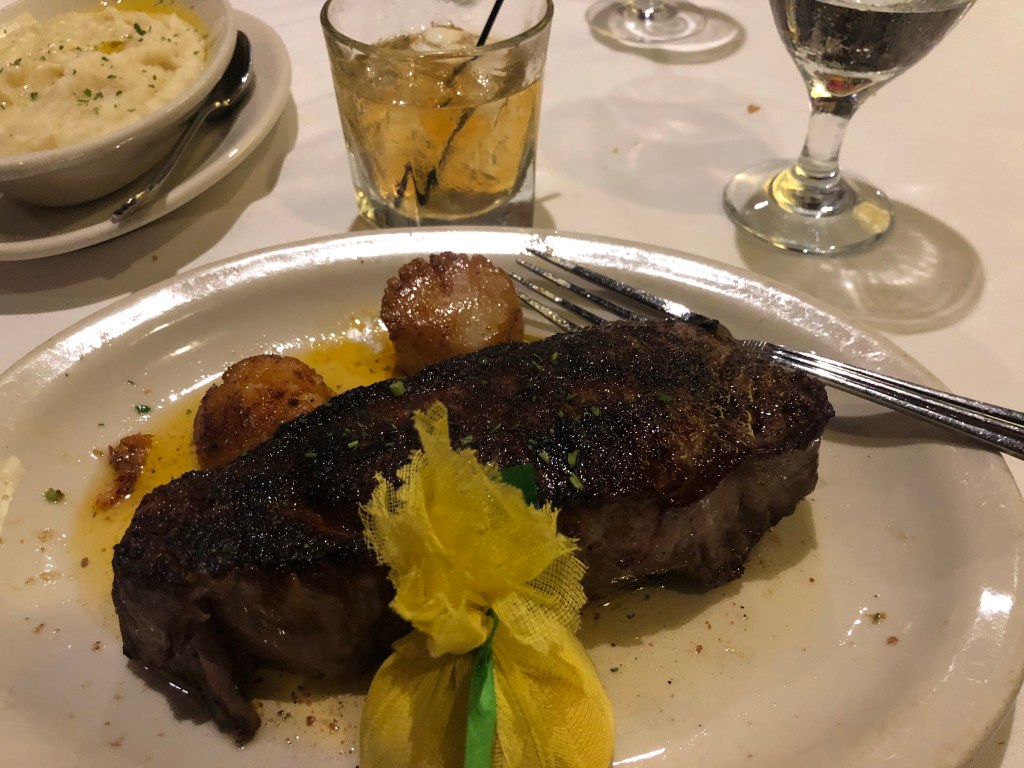
The Boys are off tomorrow and I am headed to Cary for a steak dinner. Enjoy every breath! LG Flyboys.

Steak and Scallops at Reys

Elizabethton Part Deaux

Elizabethton is a commuter trip for the Flyboys. The team boards the bus outside the home ballpark at 245 for the 50 minute trek. The walk from the clubhouse to the bus is uphill, probably 200 yards. By uphill I mean an estimated 15% grade, carrying my equipment bag, These old knees don’t appreciate it but hey, burning more calories. The team arrives one hour before the pregame routine begins. This arrival allows ample time for the players to get dressed into batting practice attire, receive treatment from the athletic trainer if needed as well. It also allows time for the staff to write and post hitting groups and to peruse the opposing team roster, stats, lineup, etc. The team caters a box lunch for the players and staff before and after the game. Without opening the box I know we are having a wrap, a bag of kettle chips, a fruit cup, tiny donut hole things and cinnamon butter dipping cup. I rarely eat it so I can’t say the quality. I am gluten intolerant and every day there is a flour tortilla staring at me. The catering group also delivers gallons of sweet tea and lemonade of sorts. The post game box meal is a variety but often has pasta so I leave mine on the table.

The pregame routine on the road is fairly consistent. Stretch, run and throw followed by batting practice. We divide the position players into three groups of four hitters. Each group hits for 12-15 before rotating back to the field. The batting practice is thrown by the coaches. The hitters have a strict daily routine, that’s announced before the hitting starts. While one group is hitting the other players are working on defense. The infielders take ground balls hit by the fungo hitter and make throws to 1st base or 2nd base. This is a great time to gauge how the infield plays, fast, slow, true or bumpy. Each park has different grass and the clay can be hard as concrete or damp and smooth. Outfielders can play balls off the bat. This is a time to test the wind, the grass , the warning track and to see how balls bounce of the outfield wall. Pitchers during this time help shag the balls. They might have bucket duty, which is where the batted balls are thrown and placed in the large plastic bucket. The bucket of balls is used to replenish the balls thrown by the coach. Generally when one gets near the bottom of throwing balls a yell of “Balls” can be heard around the diamond.

The starting pitchers and I usually head out 45 minutes before the game. Pre game routines have become more elaborate and involved than they were a decade ago. The starting pitcher generally goes through a total body warmup. We never want to use the throwing arm to warm up the back and legs. The majority of pitchers use weighted balls( heavier than a baseball) to warm up. The hurlers usually throws these against a sturdy wall. Exercise bands that clip to a chain link fence are also used and are a great way to get the throwing arm warmed up to compete. The pitchers need a good pre game routine, a precise one. Some of my guys start throwing at 20 minutes before the game and some are 22 or 17 minutes. So the coach needs to know the time of day and the scheduled time of the first pitch of the game. The pitcher warms up with the starting catcher in the outfield so the pitcher can long toss some to get maximally lubed up. Long toss means, to me, over 90 feet. Some pitchers toss to 150 feet, others out to 200 feet. The average pitcher throws for 8-9 minutes in the outfield before heading to the mound. The number of throws in that time period is 32-35 throws. The pitcher and catcher then walk to the bullpen mound to prep for the game. The pitchers works on each of his pitches from the windup as well as the stretch. Most pitchers need to be reminded to throw from the stretch but truth is 50% of pitches in a game are made with runners on base. A good bullpen routine is 30-36 pitches thrown. Most of the kids here throw much less than that but they will learn. The pitcher wants to give himself a five minute break between finishing up in the bullpen before the game starts, There is that time thing again, time management and starting pitching is a must for creating a fantastic routine. Routines lead to consistency.

Game one of this series saw the Flyboys fall in the last inning. We did battle back to tie the game in the top of the 9th. Too many wasted opportunities in the game to come out victorious. The pitching staff had no walks in this contest for the first time all season. The Flyboys also had 12 strikeouts. Two throwing errors gave the River Riders the extra bases to win, 3-2. Game two of the series was all Flyboys. The pitching staff was dominant. The Boyz from Eastern Michigan combined for 7 innings, 1 hit and 9 strikeouts. I look forward to watching the pitching future of Russo and Wagoner. Overall we allowed 3 singles in the game and 2 of those were not hits but the official score keeper loves the home town team. The Greenville Flyboys head home for a weekend series with the Turtles, who have a potent lineup. For now, it is post game shower, skip the non GF meal and drive back to Tusculum for a cerveza and gluten free chips and salsa. diggity!

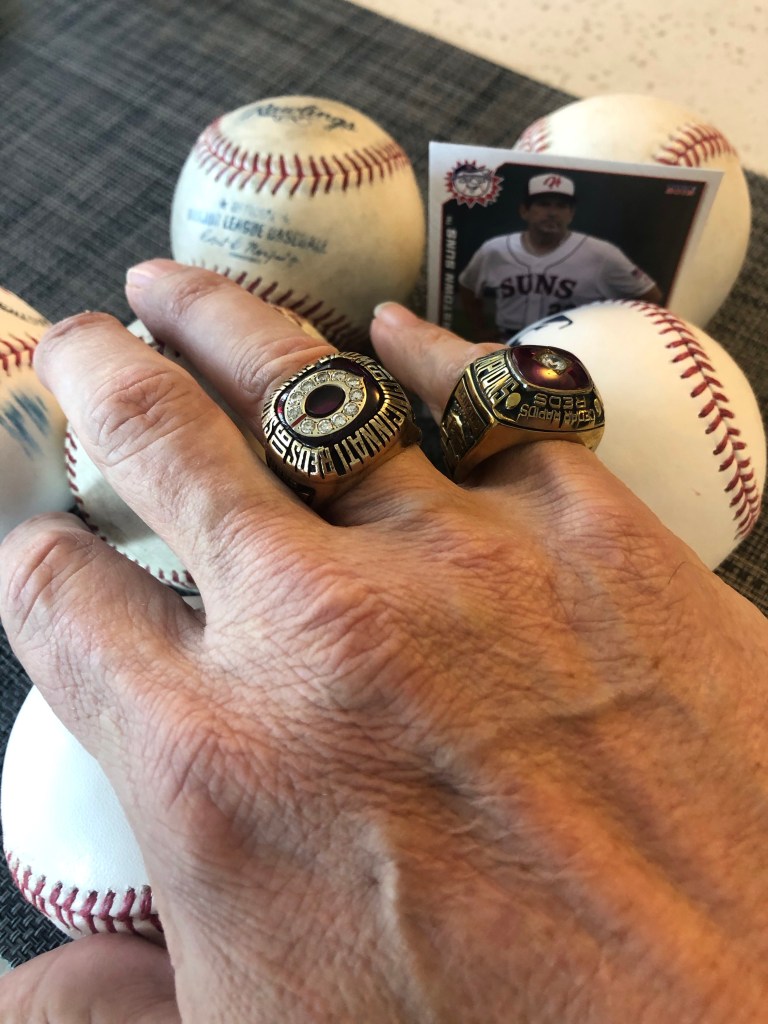
Nothing Like a World Series Ring
Pre Game in Elizabethton

Boys host the State Liners

The Greenville Flyboys host the Bristol State Liners for a two game set at Pioneer Park on the campus of Historic Tusculum University. Bristol is an hour Northeast of G’ville. The city is home of the Bristol Motor Speedway. This track is one of the most popular on the NASCAR schedule mostly due of it’s distinct features. The popular track includes extraordinarily steep banking, an all concrete surface, two pit roads. The track is billed as “The world’s fastest half mile”. Thunder Valley, as it is sometimes called, highlights the city of Bristol, Tn. Not to be confused with Bristol, Va- a sister city across the state line. Oh, State Liners, now I get it.

We have good weather for the first time in a week. The Flyboys staff strikes out 15 but we drop this game to Bristol. We need to split the series Wednesday and we will send Greenville’s opening night starter, Bryce Mayer, to the hill. On this night Bryce dazzles through four innings. He strikes out a season high 9 batters. On the night the FlyBoyz pitching staff strikes out a season high 20 Bristol hitters in a one run nail biting victory . The art of pitching could be debated for days, especially in this age of social media pitching circles. But, the fact is, the pitcher needs to get ahead in the count, expand the strike zone and make the batter swing at his or her pitch. The act of getting ahead becomes more refined as the competition improves. Expand the zone doesn’t mean doing so in 0-1 and 1-1 counts but refers to when the pitcher is in favorable counts. The ability to measure ball spin and pitched ball movements has made it simpler for the pitcher to discover who he is as a pitcher. The pitchers and coaches here utilize Rapsodo and Trakman to enhance player development. These tools aid the catchers in calling the correct pitch in the correct location,as well.

Hitting philosophies have also changed in recent years. First pitch of the at bat swings have soared over the last view years. With that data also comes with chases of pitches out of the strike zone on the initial pitch. Remember how important getting ahead in the count is to the pitcher? First pitch of the at bat swings amd misses has also increased substantially. Hitters are trying to “do damage” but honestly the group is going about it the wrong way. This isn’t my opinion, look at the rising batter strikeouts and the descending batting averages.

Well, the Boys are off to begin a two game set at Elizabethton. Let’s see if they fixed the scoreboard. The team sits in first place currently but it is early in the season.

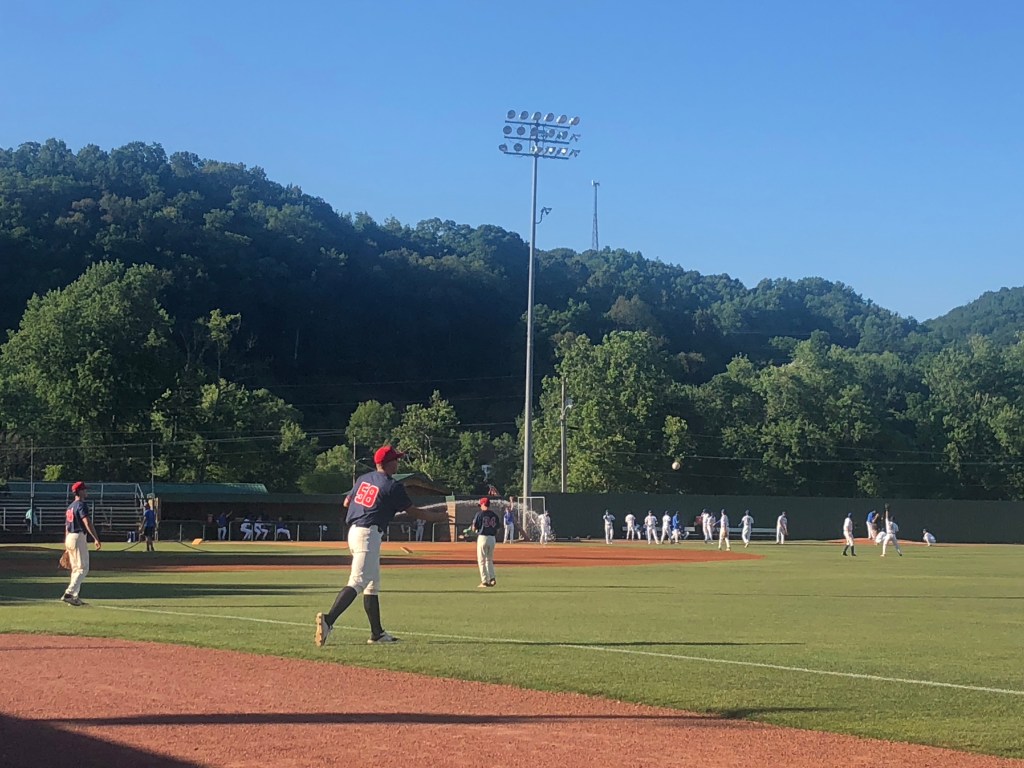
Flyboys at work
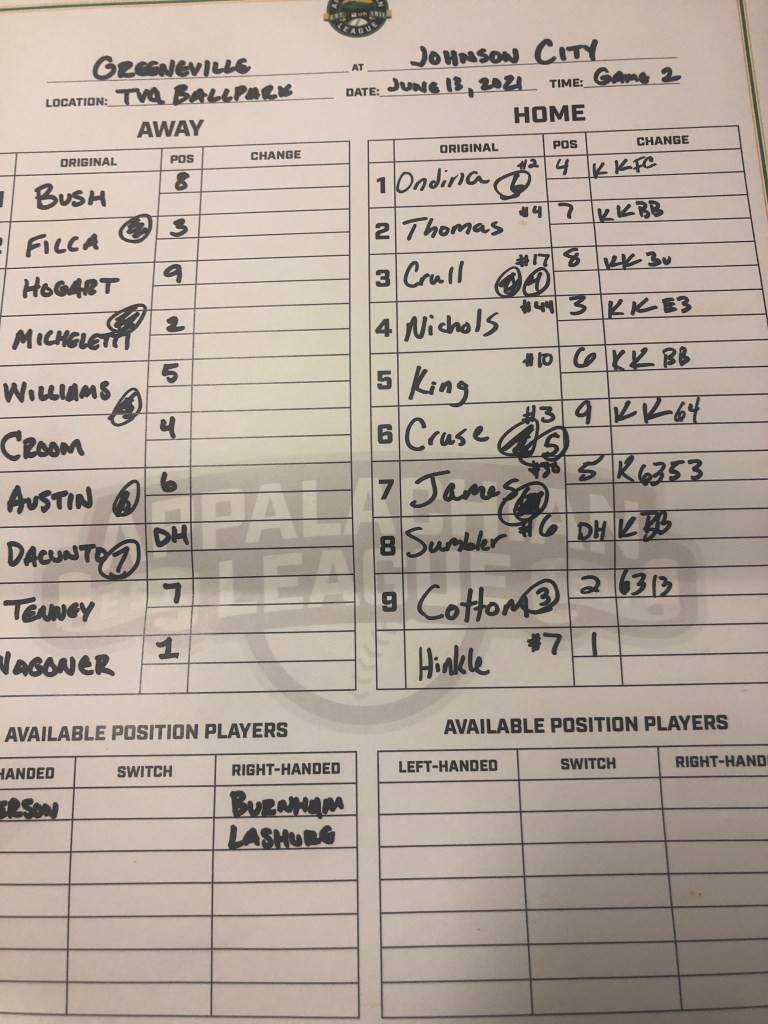
No Hitter Lineup Card #LG