
The River Turtles of Pulaski pulled in to town donned in their emerald green uni’s for a weekend contest against the Flyboys of Greenville, Tennessee. Pulaski is in Virginia. The town was named after a Count Casimir Pulaski, a Revolutionary war hero from Poland. The population of the town is around 10,000. According to Trip Advisor the number one attraction is Calfee Park, which is summer home to the River Turtles. Pulaski first hosted professional baseball back in 1942. The city has hosted young players from the Brooklyn Dodgers to the New York Yankees, most recently. Calfee park was built in 1935 as part of the New Deal enacted by President Franklin Roosevelt. This historic ballpark has been used for horse shows, fairs, concerts, exhibitions and of course, baseball. The park was renovated in 1999. Calfee park has been added to the National and State Historic Landmarks Registry.
The River Turtles own one of the leagues most potent offenses. This should be quite the weekend matchup. The Flyboys pitching staff holds the Turtles down in game one, allowing just five hits and two runs. The pitching staff, which currently leads the league in strikeouts, struck out 14 in this game while issuing only one walk. The offense made the most of their eight hits and five walks. The highlight of this game was young RHP, Austin Troesser. He absolutely dominated the opposition, striking out five of the six hitters he faced. He was one pitch away from an immaculate innings, when with an 0-2 count he allowed a broken bat grounder to second base. He went on the fan the side in the fifth inning for extra measure. This was a far cry from his last outing where he needed thirty pitches to get three outs. Today, he needed 19, for two outstanding innings of work. Game two of the series did not go as planned. We dropped a 6-4 decision to the River Turtles. This game we simply did not make the pitches or plays to win the game. The first batter of the game bunted back to the pitcher who flubbed ground ball for an error to start the game. As a matter of fact, the leadoff hitter was on base four times in seven innings today. Why is that a big deal? The averages tell us that pitchers, E,R.A( earned run average) is 8.54 with a runner on first base and no outs. On the other hand, with one out and no one on base, the pitchers’ E.R.A. falls to 3.54. Five runs difference is noteworthy and as a pitcher and catcher we need to know how important keeping the leadoff hitter off base is for winning baseball.
The majority of our pitchers and catchers have their pitches called from the dugout by the head coach or pitching coach while in college. So, many of them do not have a great “feel” for calling the game. This league is about development, so the young men are on their own during the game. Many times, I may ask after the inning ” what were you thinking when you threw this pitch in a certain situation?) This is a great way to learn. One gets good judgement from experience and experience comes from bad judgement. In today’s game, I took a lot of notes. My notes are written on the lineup card where the last out of the innings is posted and what the opposing hitters do each at bat. I also makes notes on attempted bunts and stolen bases attempted. We also note the count in which these events occurred. In this game we did not attack or execute pitches on the 1-1 counts. I know we wrote about the importance of this pivotal count. We also did a poor job of reacting to what we see from the hitter. I will give a few examples. The first pitch of the at bat is a fastball on the outside part of the plate, strike one looking. The next pitch is a changeup up, that the hitters chases out of the strike zone. What would you throw the next pitch? We chose to throw a fastball in the middle of the plate for a no ball and two strike, 2 out double that scored a run. If we react to the previous swing of the hitter, we make him chase another pitch out of the strike zone. There is rarely a set up pitch, the pitcher should throw every pitch with the intent to get the batter out. Bad location hurts the pitcher more than bad selection, on most nights. We also chose to repeat in the zone breaking balls for a long double off the wall. Let me explain. First pitch of the at bat, curve in the dirt, ball one. Second pitch, another curve this time for a called strike. What are my options here? We chose to throw another curve ball, this time a little higher in the strike zone. Bad choice but a time to learn, not because of the result. Repeating off speed pitches in the strike zone gives the hitters a very good chance to time the pitch and measure the break. Please, remember in the strike zone to under the strike zone, often works. We also threw another hitter a 2-1 fastball that the left handed batter hit over the third base dugout He was late on this fastball in a hitter advantage count. When we see the hitter is late, we move the ball closer to the batter or we elevate the ball closer to him But we chose to throw a high slider which the batter laced into left center field. Another, time to learn- for the pitcher and catcher. My last rant, which is pitching 101 Every 0-1 count should not a breaking ball in the dirt. This is an advantage count for the pitcher which is a great time to work inside to inside off the plate. The catcher and pitcher need to on the same page with this strategy. So, communication with pitcher and catcher is crucial. They should talk between each inning to bounce ideas off one another and get feedback from each other on the next inning.
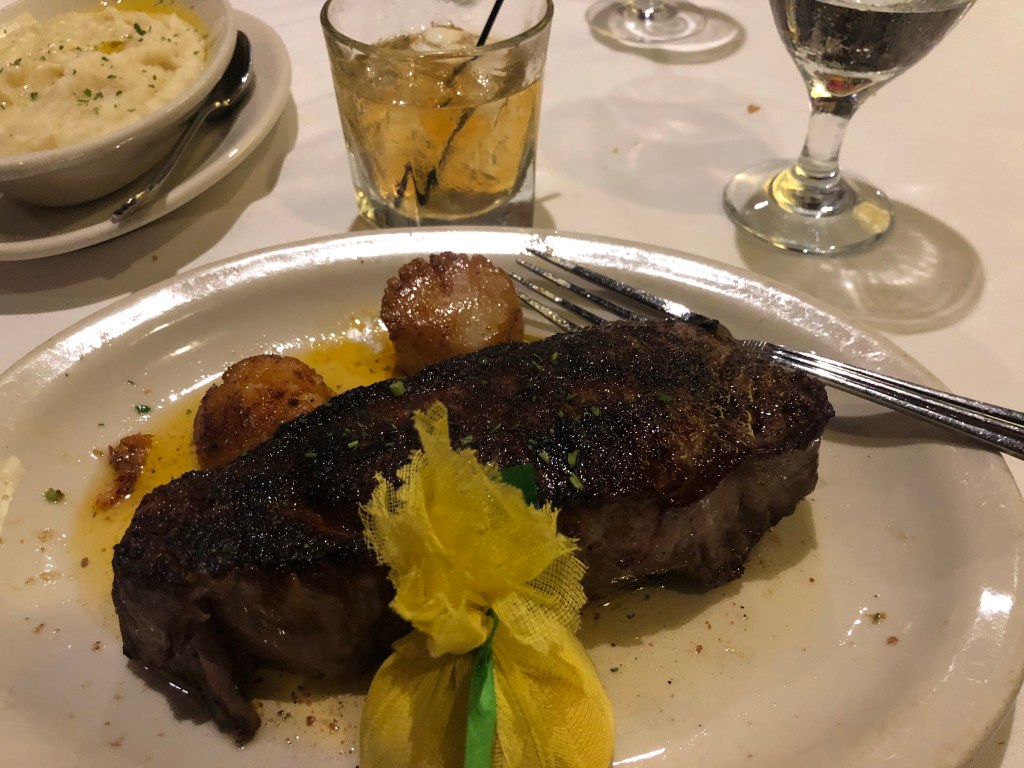
The Boys are off tomorrow and I am headed to Cary for a steak dinner. Enjoy every breath! LG Flyboys.
 No BS Baseball